Minerals

Valentine’s Hearts

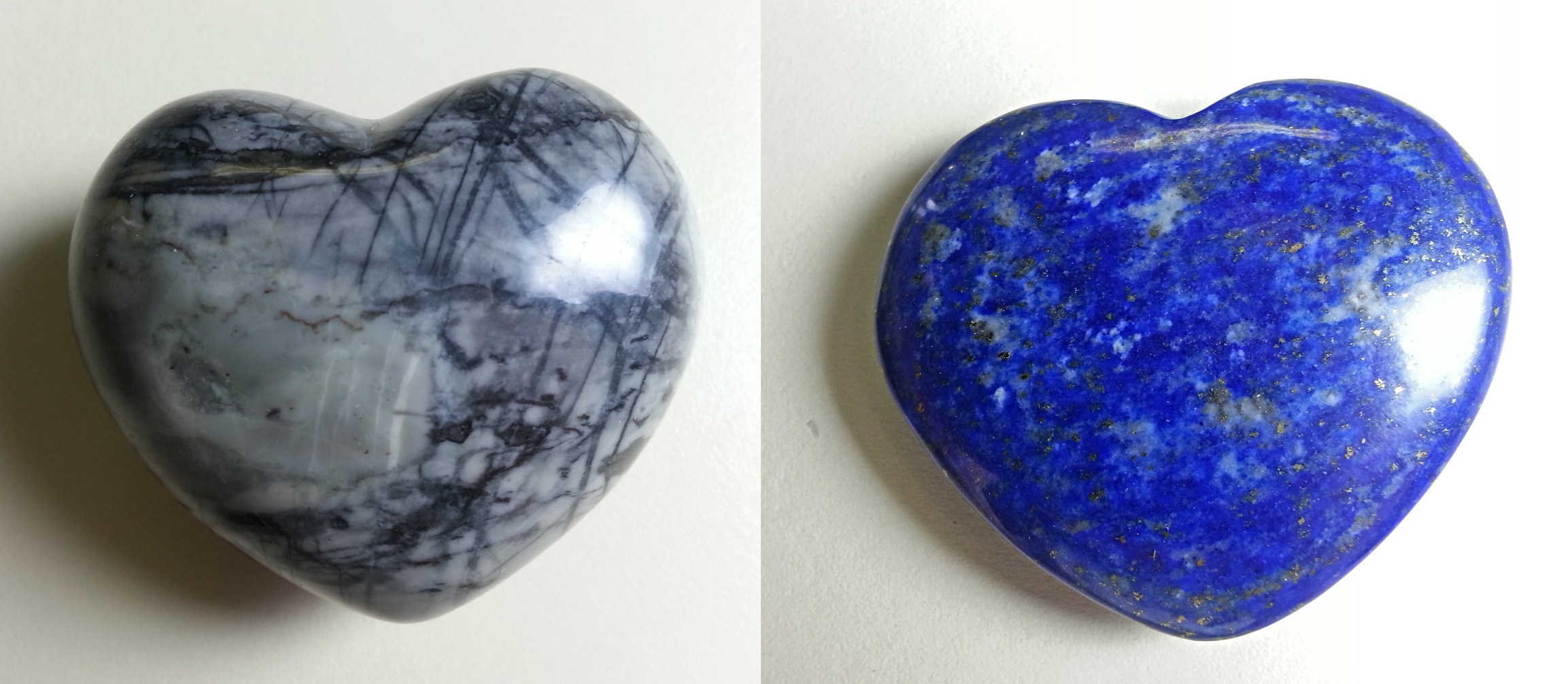
Two shiny stones carved into heart shapes. One is gray with black cross-hatched lines and the other is blue with small white swirls and gold sparkles.

Photos by Stephanie Reed

Two Show-Me Rockhounds members who are very much in love took a trip to Hot Springs, AR. While they were there they stopped at a rock shop, of course, and these carved hearts caught their attention. Stephanie was drawn to the gray and black petrified wood heart because she thought it looked like a charcoal drawing. David was drawn to the blue sodalite heart because the blue color reminded him of lapis.

What kind of rocks catch your attention, and why?
Vanadinite

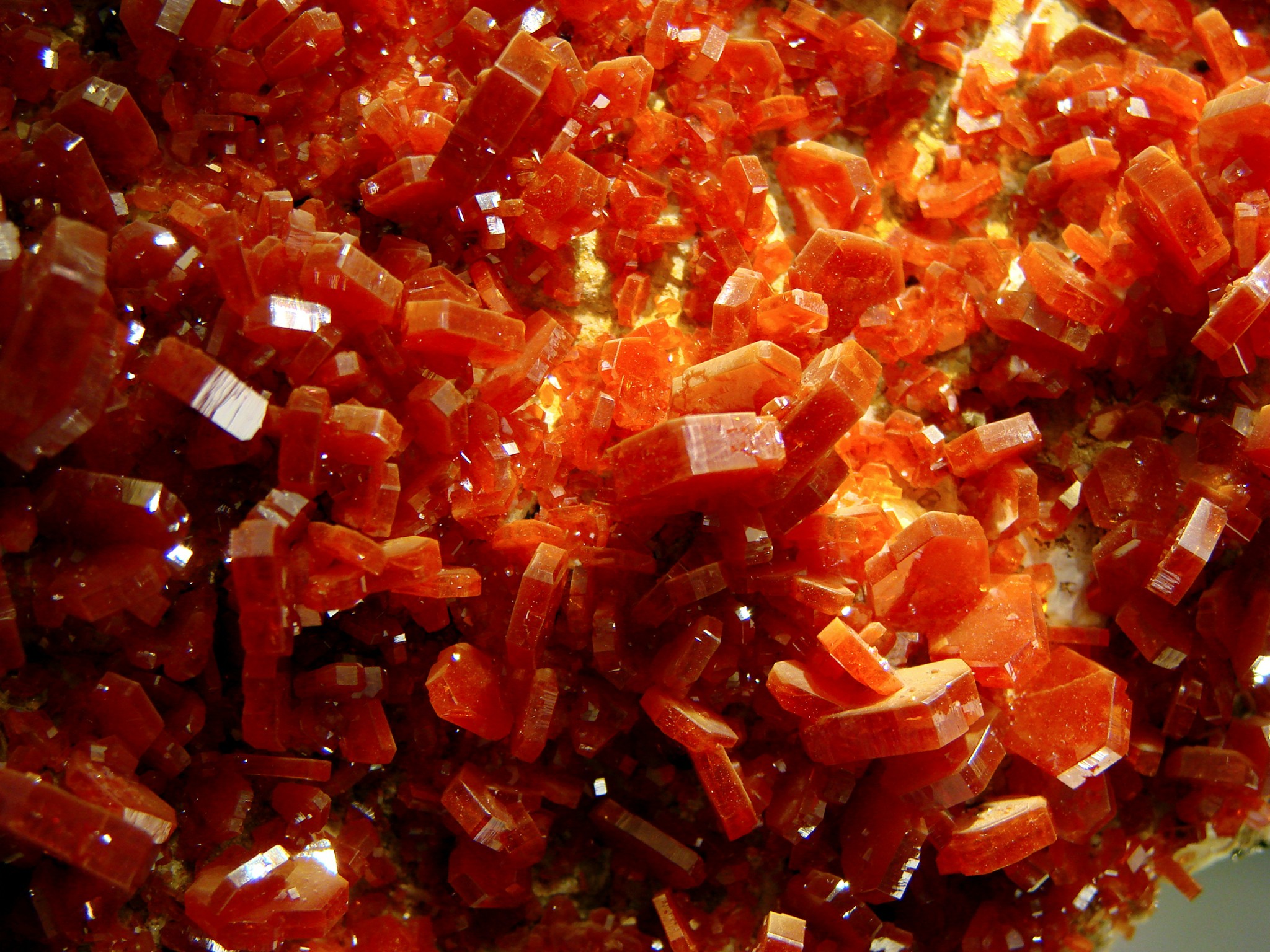
Lots of flat orange crystals with some small grains of yellow crystals in between.

Photo by Egen Wark

Reposted from our friend Mineralogy on Google+: Vanadinite is a lead chlorovanadate characterized by red to red-orange hexagonal crystals. It is a secondary mineral found in the oxidized zone of lead deposits resulting from the alteration of vanadiferous sulfides and silicates. A member of the apatite group, vanadinite forms a solid-solution series with its phosphate (pyromorphite) and arsenate (mimetite) analogues. It was first discovered in Mexico in the 19th century and is prized by collectors due to its distinctive color.

If you like the photo and writeup, check out Mineralogy’s Google+ page and follow them.

Thunder Eggs

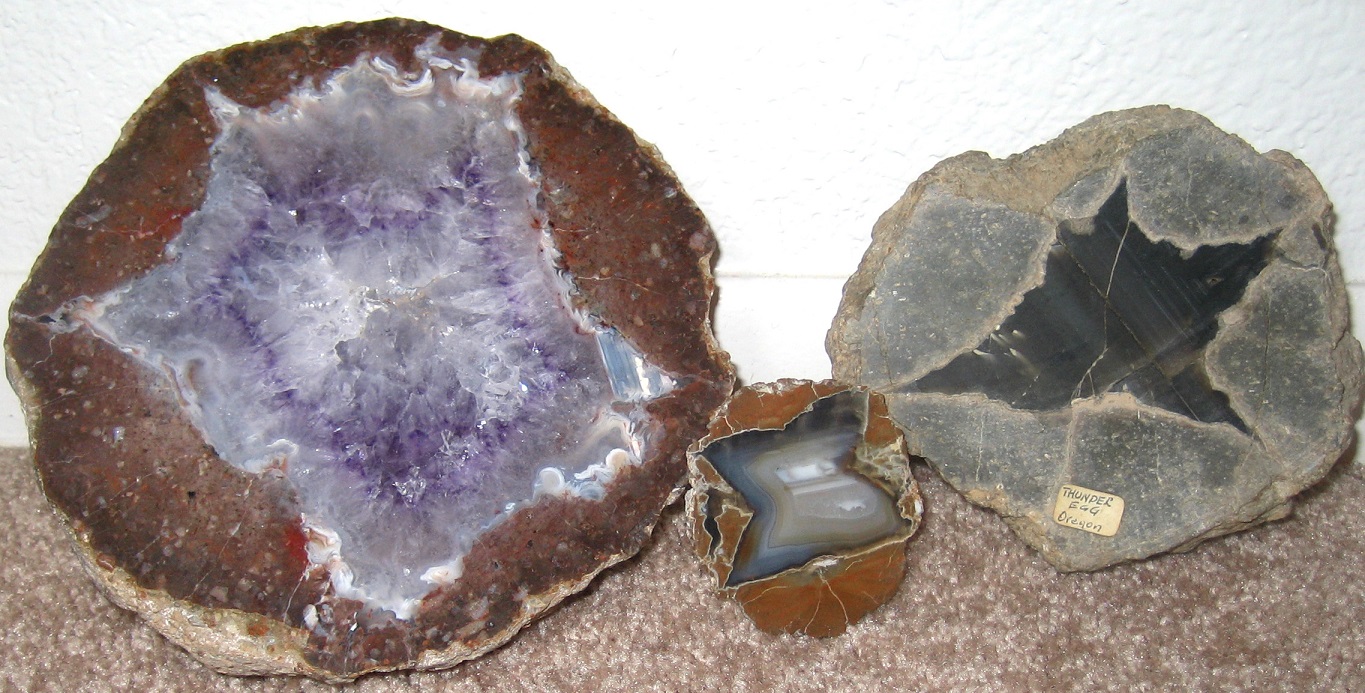
Three round geodes in small, medium, and large. The smallest one is a flat slab with a blue inside and brown outside. The medium one is a hemisphere that's black on the inside and gray on the outside. The largest one is a hemisphere that is purple amethyst crystals on the inside and brown on the outside.

Photo by Stephanie Reed

Some thunder eggs from the personal collection of David Reed. The largest one has purple amethyst crystals on the inside. It was originally from the collection of the late David White, who lovingly polished it by hand to a reflective shine. The medium one is from Oregon. The smallest one is a slab cut from a thunder egg and was from the Show-Me Rockhounds gift exchange.

Christmas Rhodochrosite

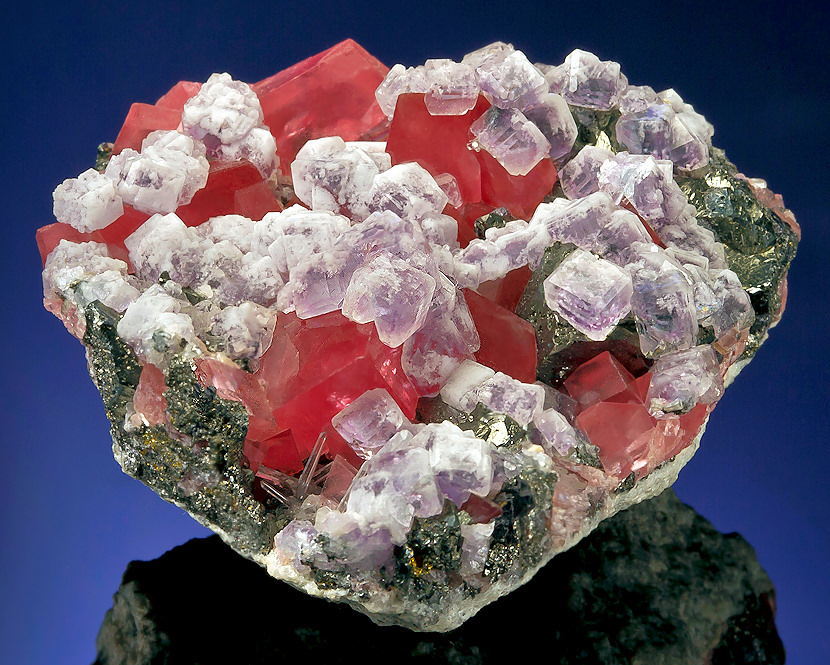
A cluster of crystals that has square red crystals on a shiny green surface, with white and lavender puffballs scattered across the whole cluster. A nice display of Christmas colors.

Ex. J. Vorpahl Mineral Collection, http://www.themineralgallery.com/rhodoroom.htm

This gorgeous crystal specimen is perfect for Christmas! It has red rhodochrosite crystals on a green matrix (green pyrite?), with pale lavender fluorite cyrstals that look like little snowdrifts. From Steve’s Pocket, Fluorite Raise, Sweet Home Mine, Alma, Colorado.

Antlerite

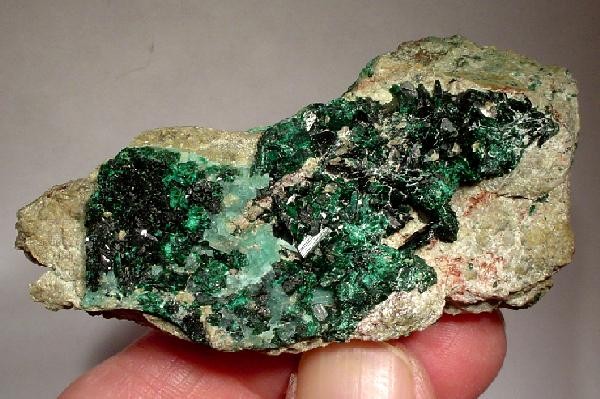
What is a reindeer’s favorite copper sulfate mineral? Antlerite! Antlerite is named after the Antler Mine in Arizona, but was more often found in Chuquicamata Mine in Chile. That mine has been closed, so antlerite is pretty rare now. This is a close-up of a specimen from the Chuquicamata Mine measuring 7.4 x 3.8 x 2.2 cm.

The whole plate, with fingertips included for scale.

Thanksgiving Rock Dinner

Happy Thanksgiving! To whet your appetite for dinner, here are some pictures of rocks and minerals that look like food. This is a traveling exhibit, so maybe it will be at a rock show near you.

This looks like a fruit salad containing strawberries, blueberries, mandarin oranges, kiwis, slivered almonds, and whipped cream. It is actually rocks.

Bill and Lois Pattillo: http://rockfoodtable.com/index.html

Start off with a tasty fruit salad.

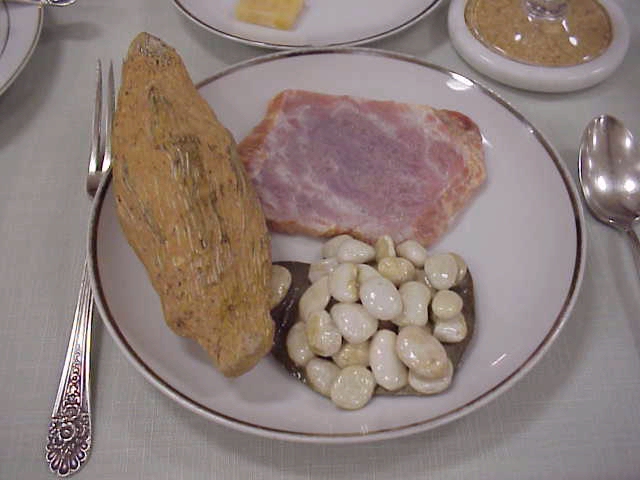
This looks like a slice of ham (needs gravy, though), a yam with the skin on, and a side of shiny lima beans, but it is actually rocks.

Bill and Lois Pattillo: http://rockfoodtable.com/index.html

The main course: ham, a yam, and lima beans.

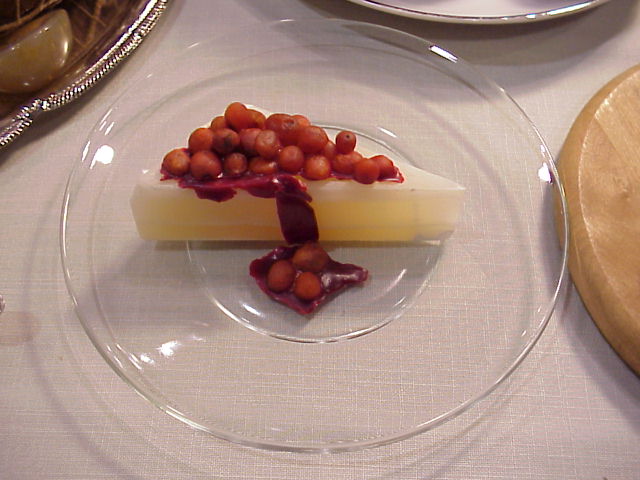
This looks like a slightly translucent slice of pale yellow cheesecake with small red cherries on top. It is actually a slice of rock with rocks on top.

Bill and Lois Pattillo: http://rockfoodtable.com/index.html

Cherry cheesecake for dessert.

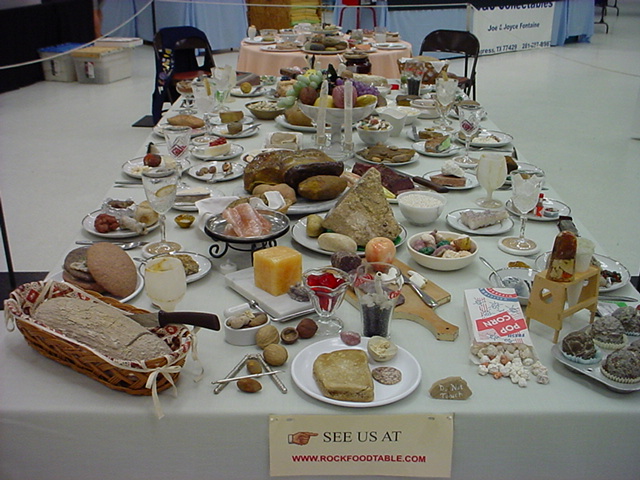
This looks like a huge spread of all sorts of food: bread baskets, muffins, popcorn, nuts, cheese, smoked salmon, fresh fruit, and more. It is actually all rocks.

Bill and Lois Pattillo: http://rockfoodtable.com/index.html

The whole spread.

Happy Agate

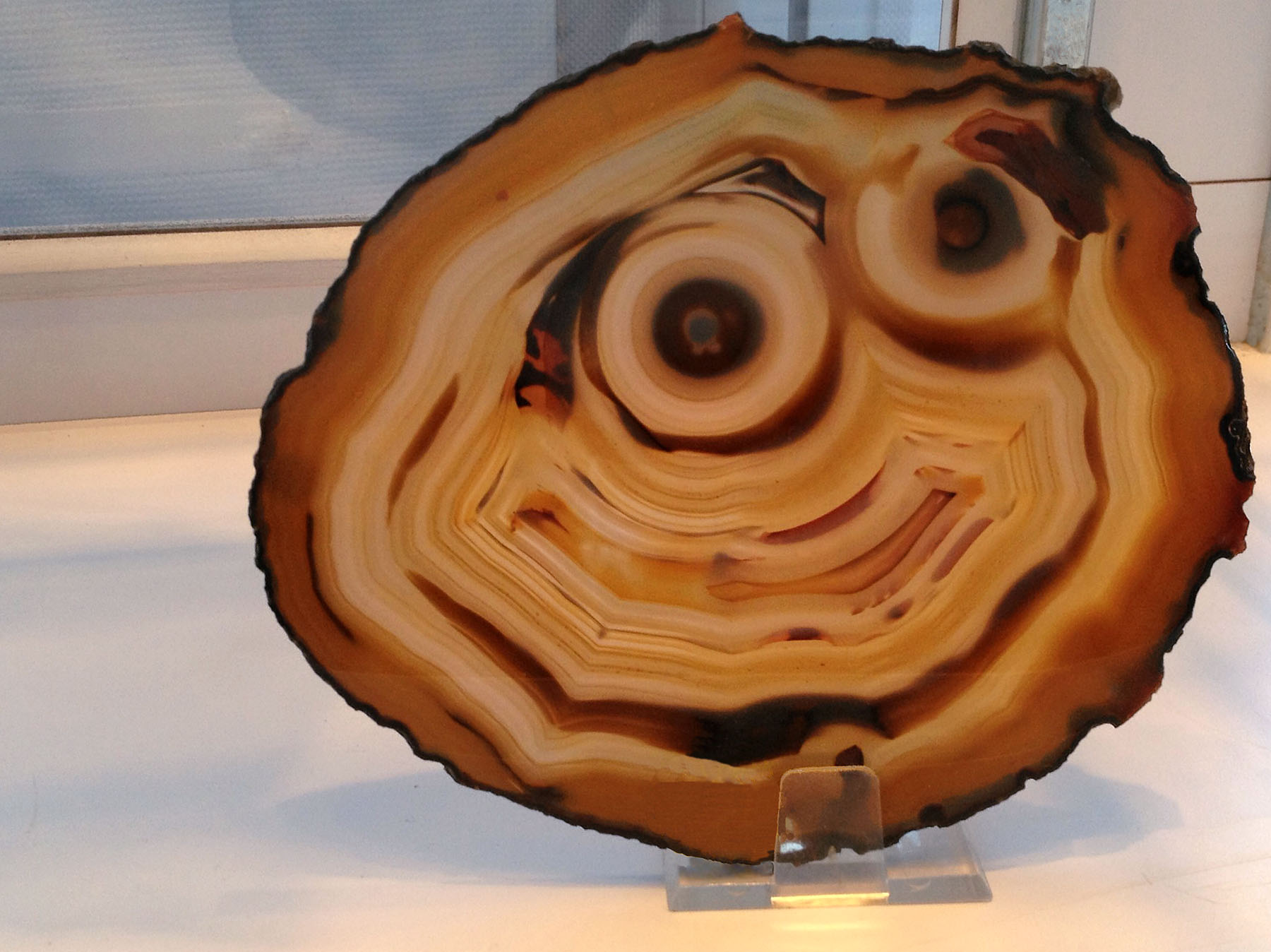
An agate slab with a happy smiley face in its brown bands.

Smiley face agate photo by Cobalt123 from https://flic.kr/p/dVdpEA

An agate dressed up for Halloween, hanging out at the Tucson Rock and Gem Show 2013.  Thanks for following us all the way through Agate Month and learning all about these beautiful minerals!
If you’d like to see a list of even more types of agates, go here: http://stoneplus.cst.cmich.edu/agate.htm

Flame and Frost Agates

These aren’t technically types of agate according to Mindat, but sometimes they will be described this way in rock shops or on rockhound websites.  And these pictures are so great I couldn’t possibly pass them up.  An agate with red, orange, or yellow plumes in just the right arangement can be called a flame agate, because it looks like fire.

Red, orange, and yellow plumes shooting up from a white and transparent agate matrix, looking like flames.

Photo by Vítězslav Snášel from http://www.mindat.org/photo-114774.html

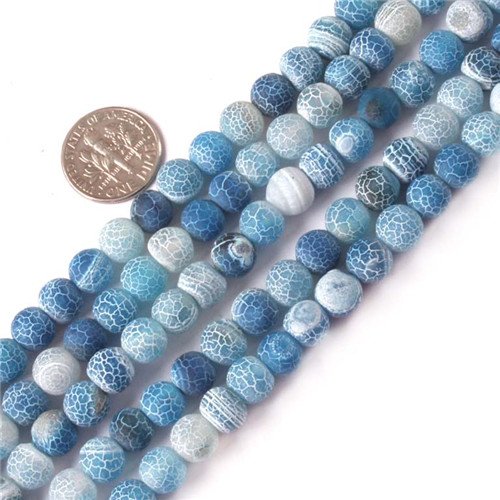
Frost agate describes the cracked finish on these beads (again, it’s not a mineralogical term).  They can also be called cracked agate.  The frost effect is heightened when they are blue. Whatever they are, I would totally wear earrings made with these beads.

Cloud Agates

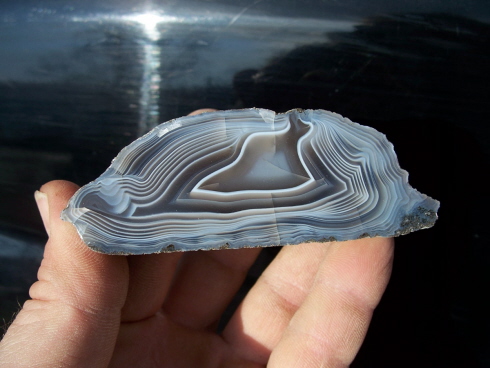
Cloud agates look like they contain clouds. They can have a gray or transparent matrix and the inclusions are usually white and foggy to look like clouds.  The one on the left has a bit of a drusy effect which makes it look like a puffy cumulus cloud.  The cloud agate on the right has a blue “cloud” inside.  The North Lincoln Agate Society has given its friend some googly eyes.