news

News and updates about Show Me Rockhounds Kansas City, rock club meetings, rock collecting, or our websites.

Show-Me Rockhounds of Kansas City present the Mary Bergman Hamilton Collection of Minerals. Donated in 2017.

Introduction to the Mary Bergman Hamilton Collection of Minerals

In 2017, the children of Mary Bergman Hamilton donated her lifetime collection of minerals to the Show-Me Rockhounds. In order to share this gift with other rockhounds and interested earth science students, our club has put together this publication.

Mary had divided her collection into minerals she had purchased, those she had traded for, and those that she had found on rockhounding field trips. We have followed this same format in how we have organized this book. At the beginning of each section we have some tips for how you, as a rockhound, can add to your collection using these methods.

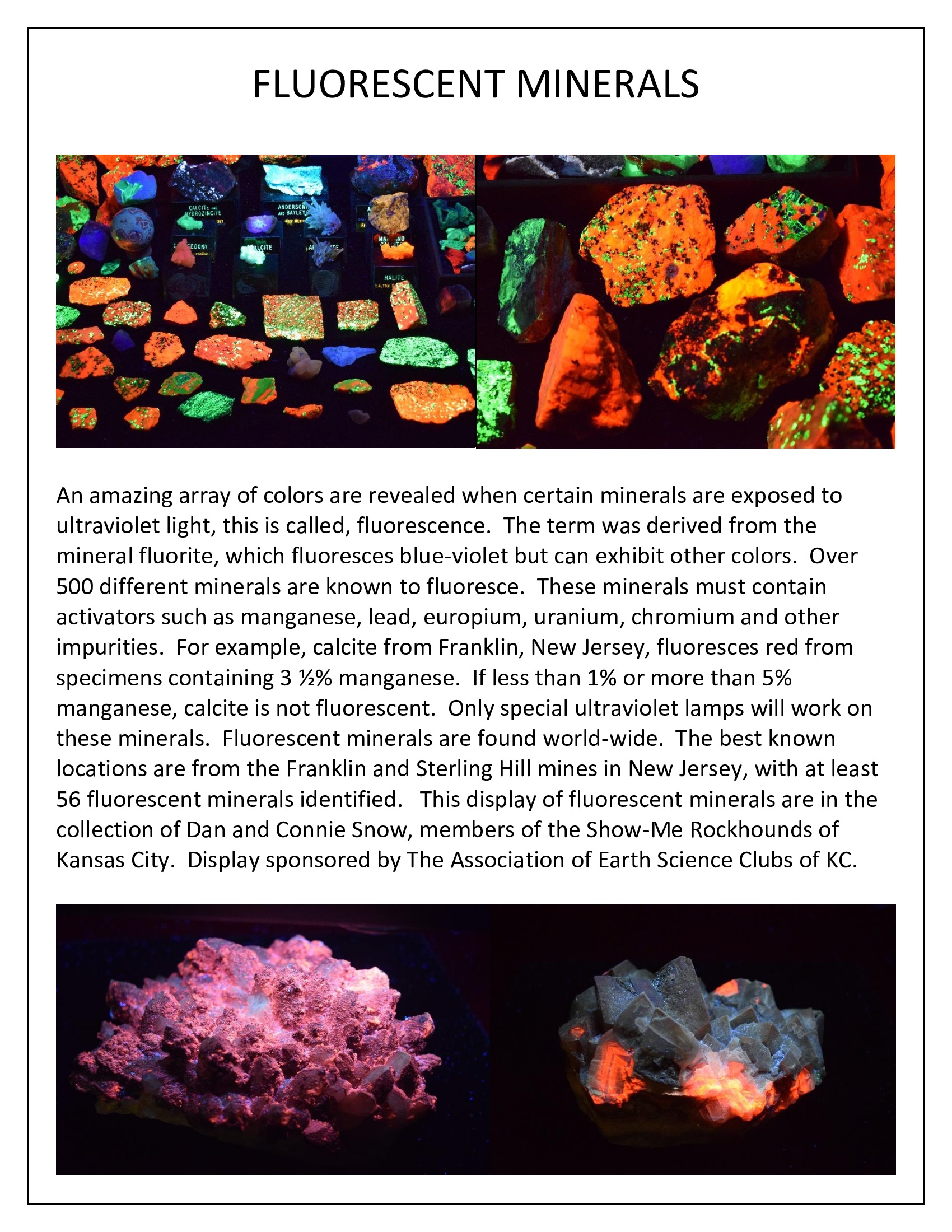
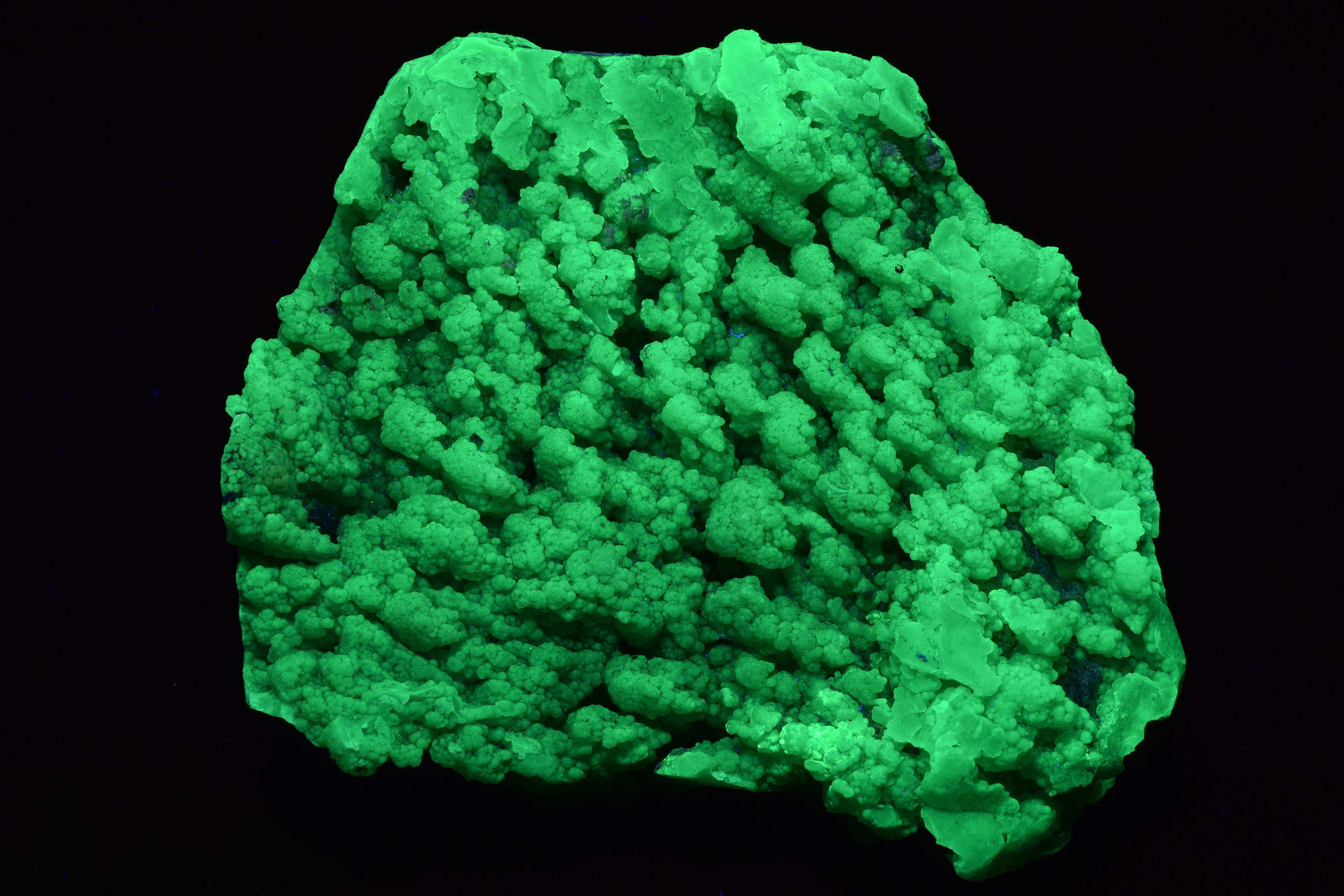
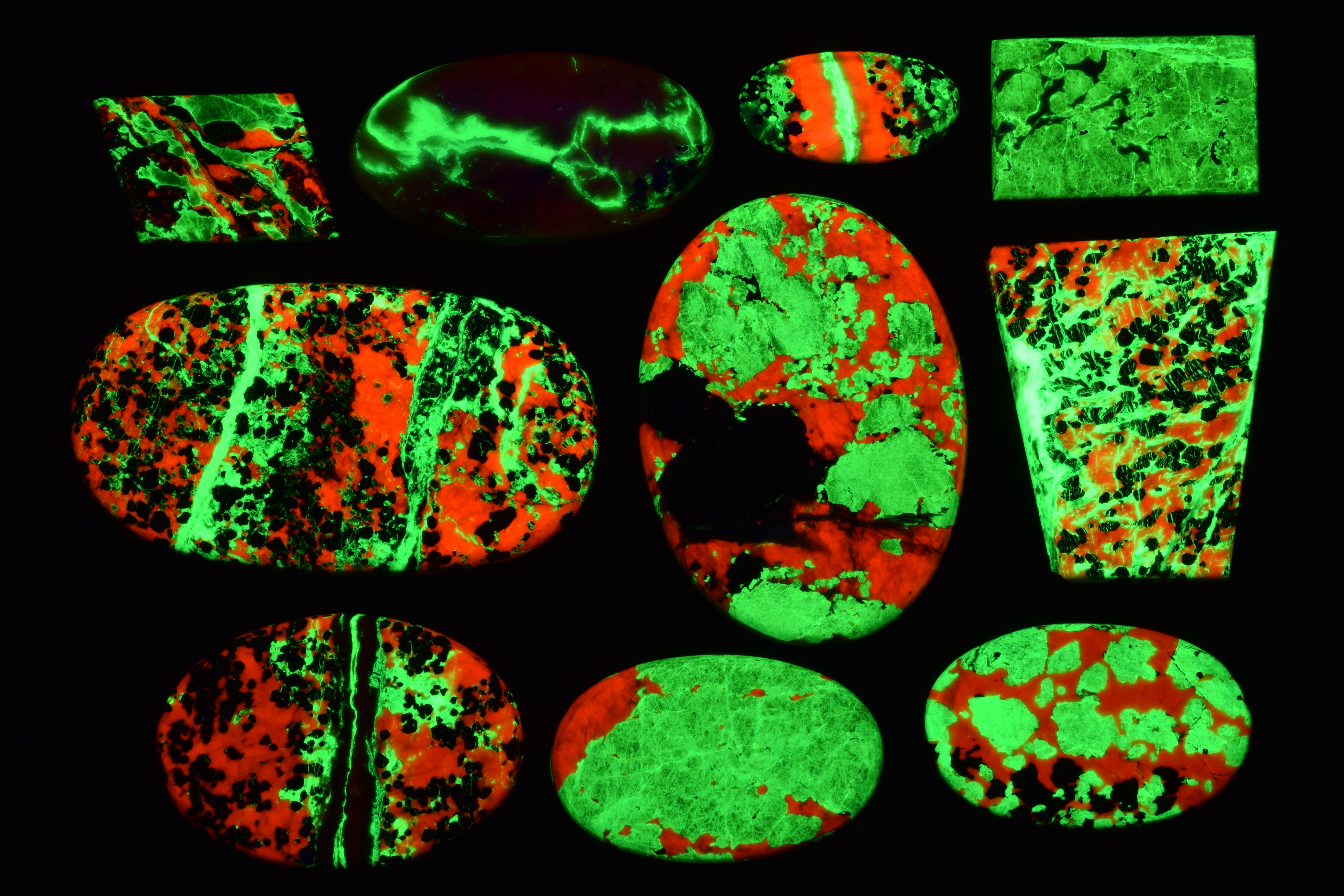
A number of the minerals in the collection fluoresce under short- or long-wave ultraviolet light. We have added a section to the book to highlight these minerals and explain a little about fluorescence.

We have a page showing the collection as it was displayed at the 60th Annual Kansas City Gem and Mineral Show in 2022.

Finally, there is a page of the book to emphasize the importance of good recordkeeping and labeling of a mineral collection. We show Mary’s method of index cards and mineral labeling.

We hope that this book will inspire both novice and experienced rockhounds by showing what a dedicated amateur can accomplish.

We have books available for $15.00 per copy. If you are interested in purchasing a copy(s) you may email Dan Snow President of the Show-Me Rockhounds of Kansas City at showmerockhounds.com
CRINOIDS

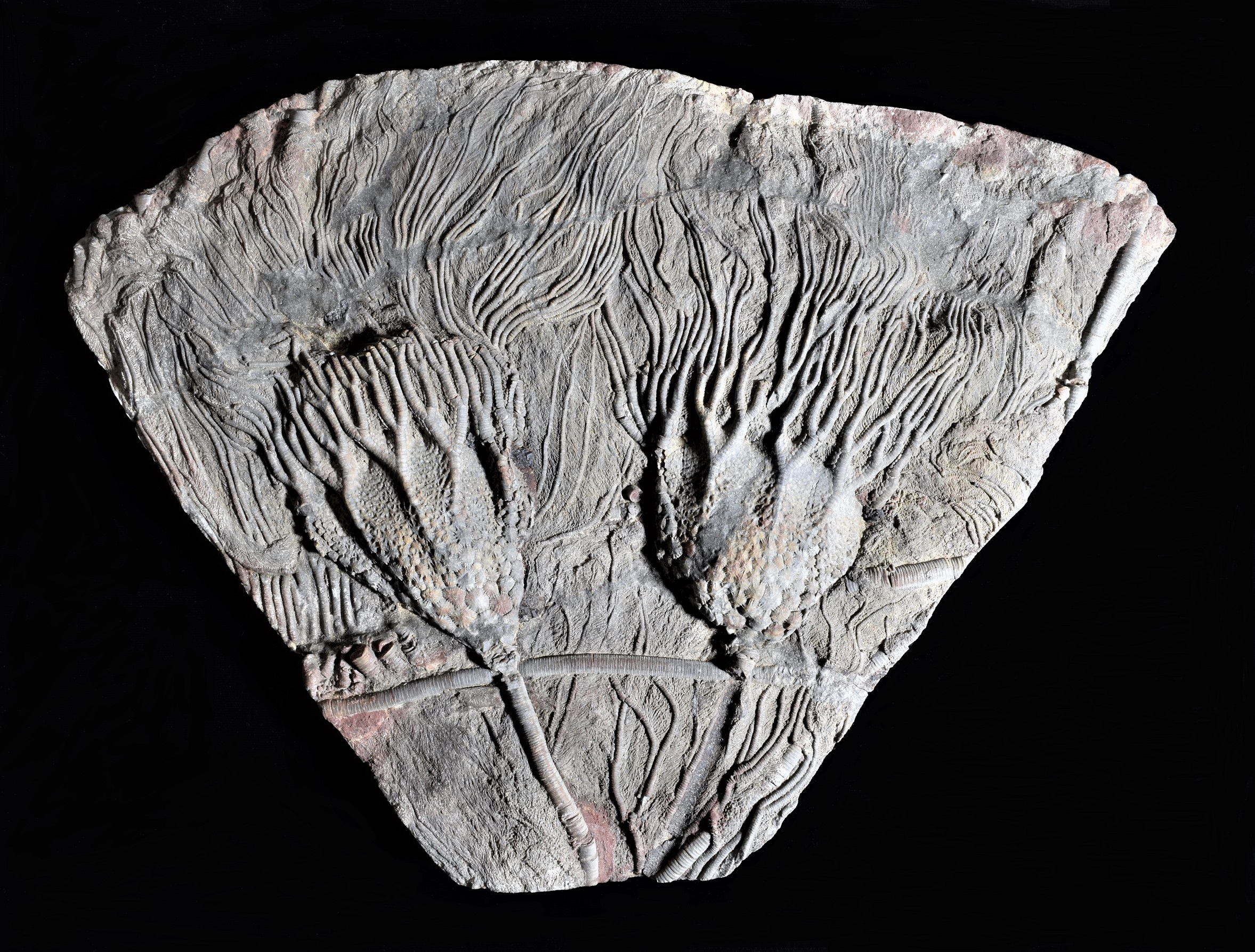
Scyphocrinites elegans - Crinoid with lobolith float Upper Silurian Period

Crinoids in the collection of Dan & Connie Snow : Photos by Dan Snow

Scyphocrinites elegans:  Crinoid with lobolith float Upper Silurian Period, Djebel Issoumour, Alnif, Morroco


CRINOIDS are know as feather stars or sea lilies and are echinoderms.  A familiar form of echinoderm is the starfish.  Crinoids are alive today in the oceans but were more prevalent in prehistory.  They live primarily in shallow water but have also been found in extreme deep sea environments.

Crinoids resemble a flower with tentacles but are in fact animals.  They are filter feeders and have feather-like appendages that strain food particles from the ocean currents.  Some live as floating organisms but most are attached to the ocean floor by the means of a segmented stem.  Most fossilized crinoids are found disarticulated in beds of numerous fragments but they also can be found in articulated forms as they once were when alive.  The first occurrences of crinoids in the fossil record as found in the Ordovician Period.

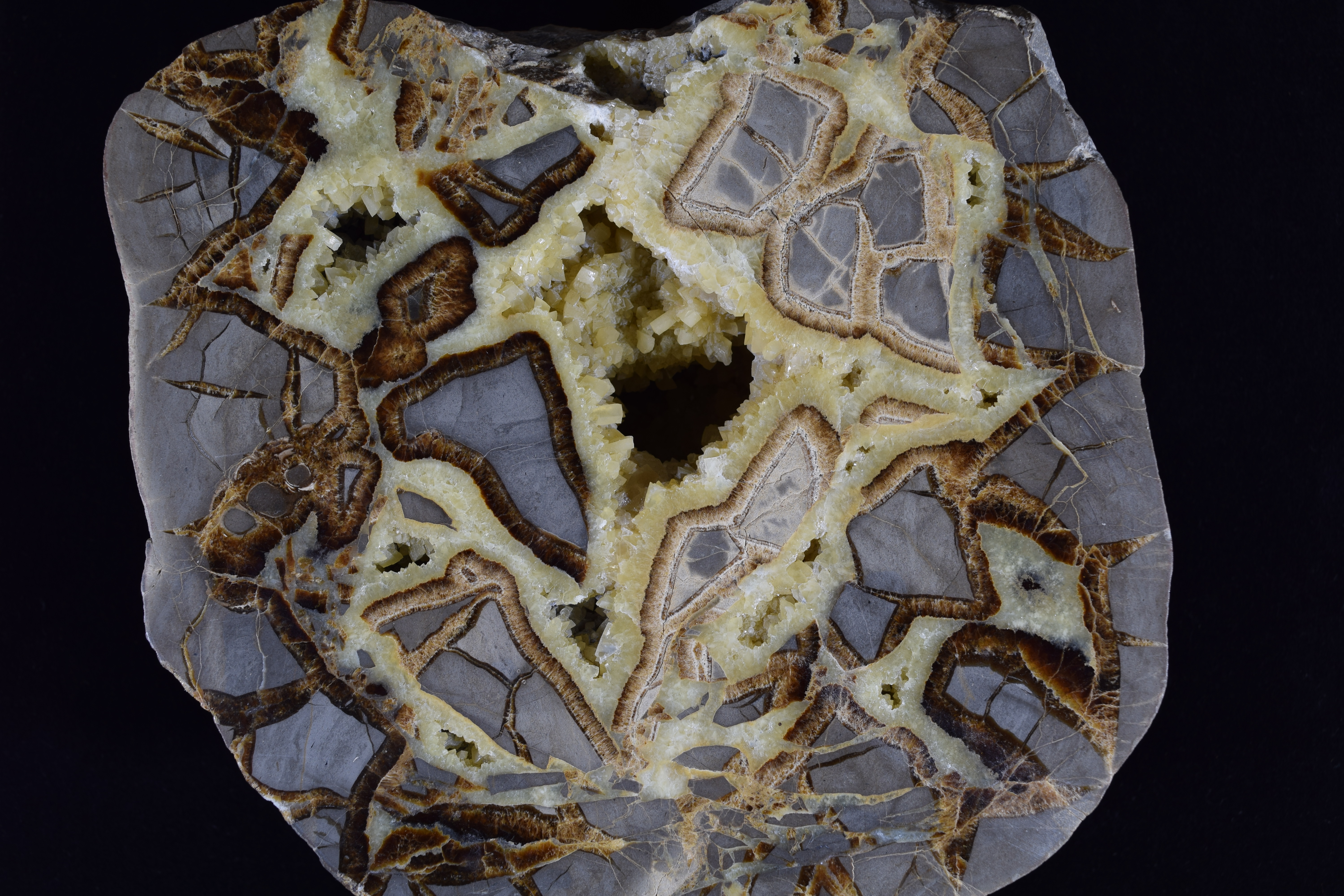
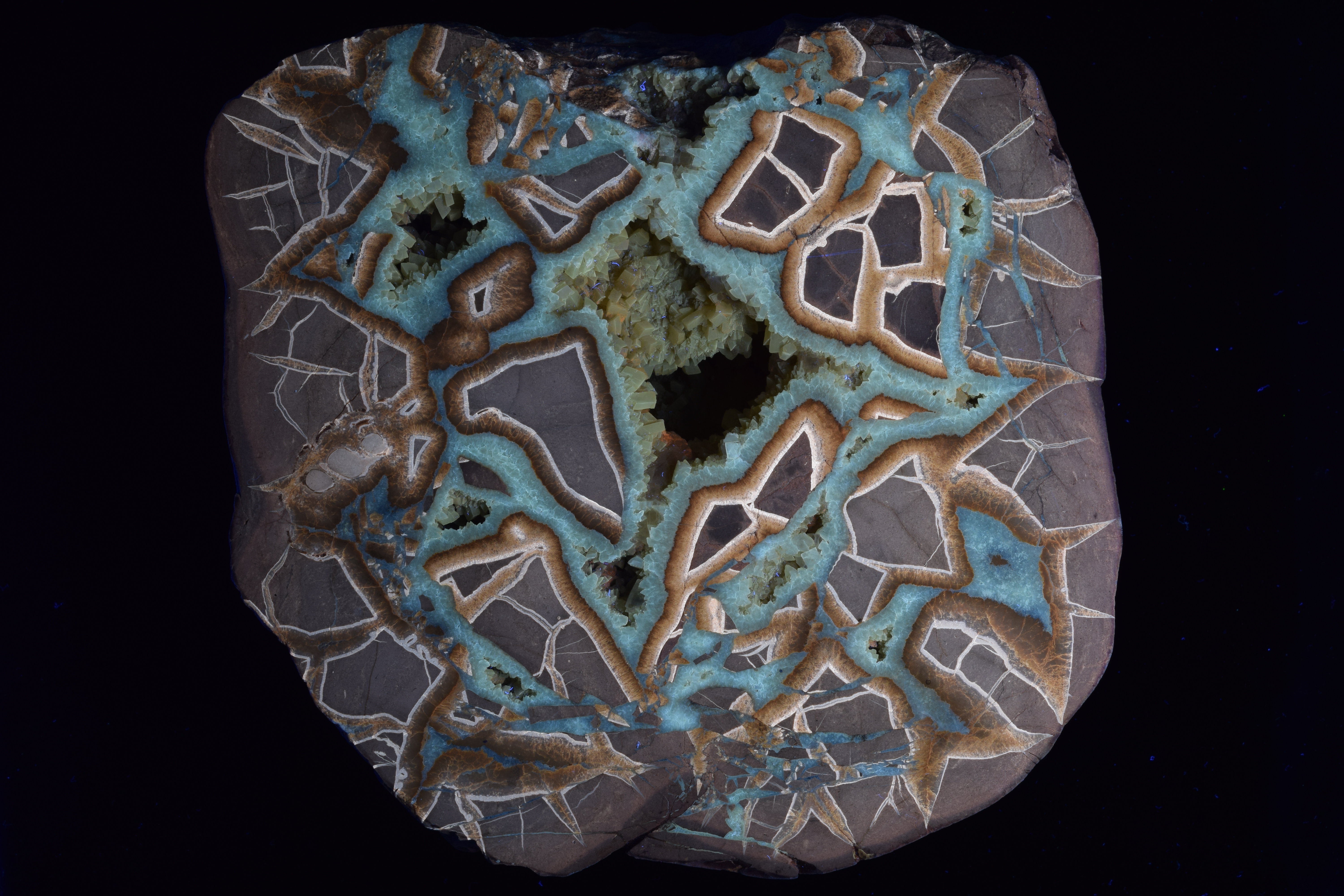
SEPTARIAN NODULE

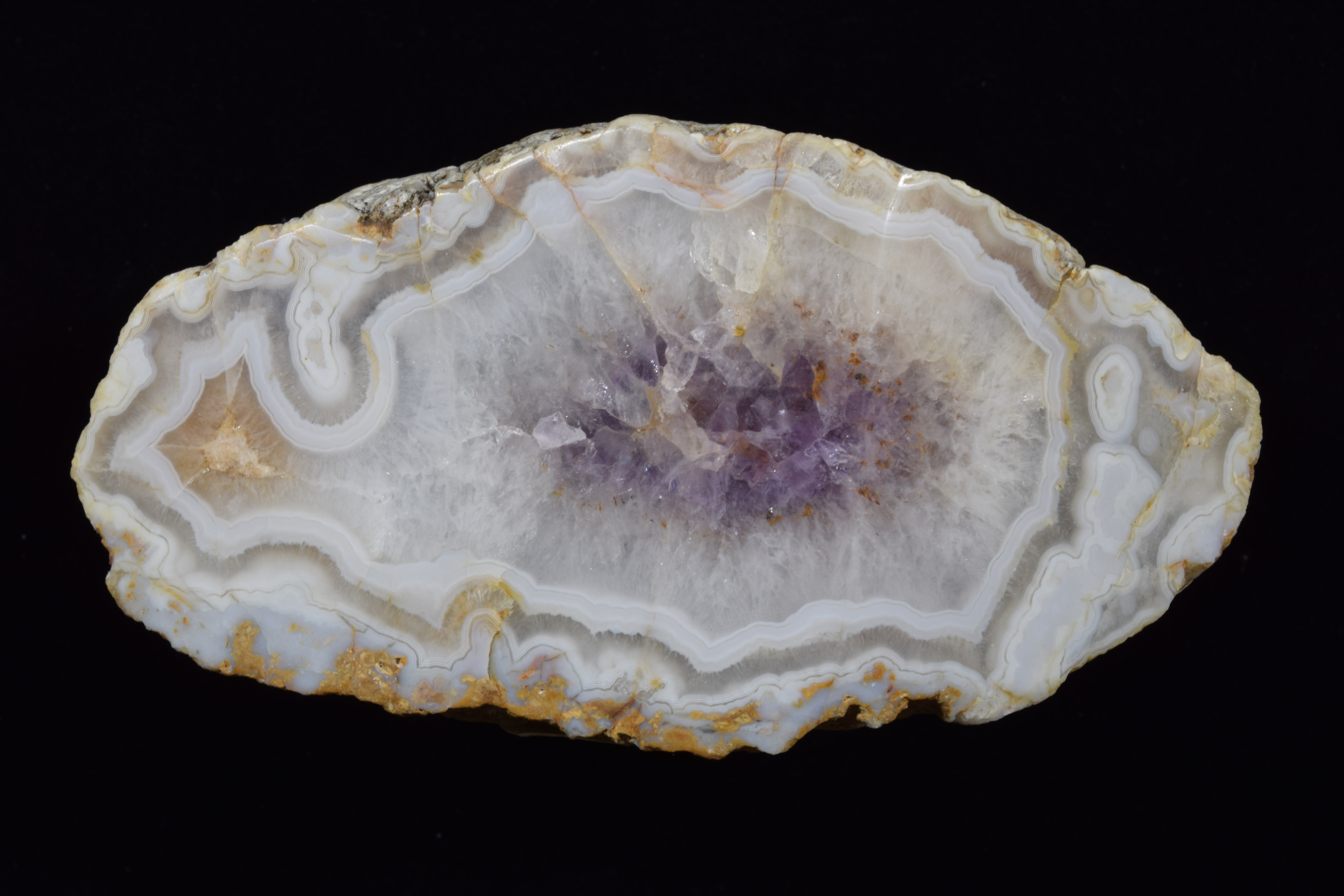
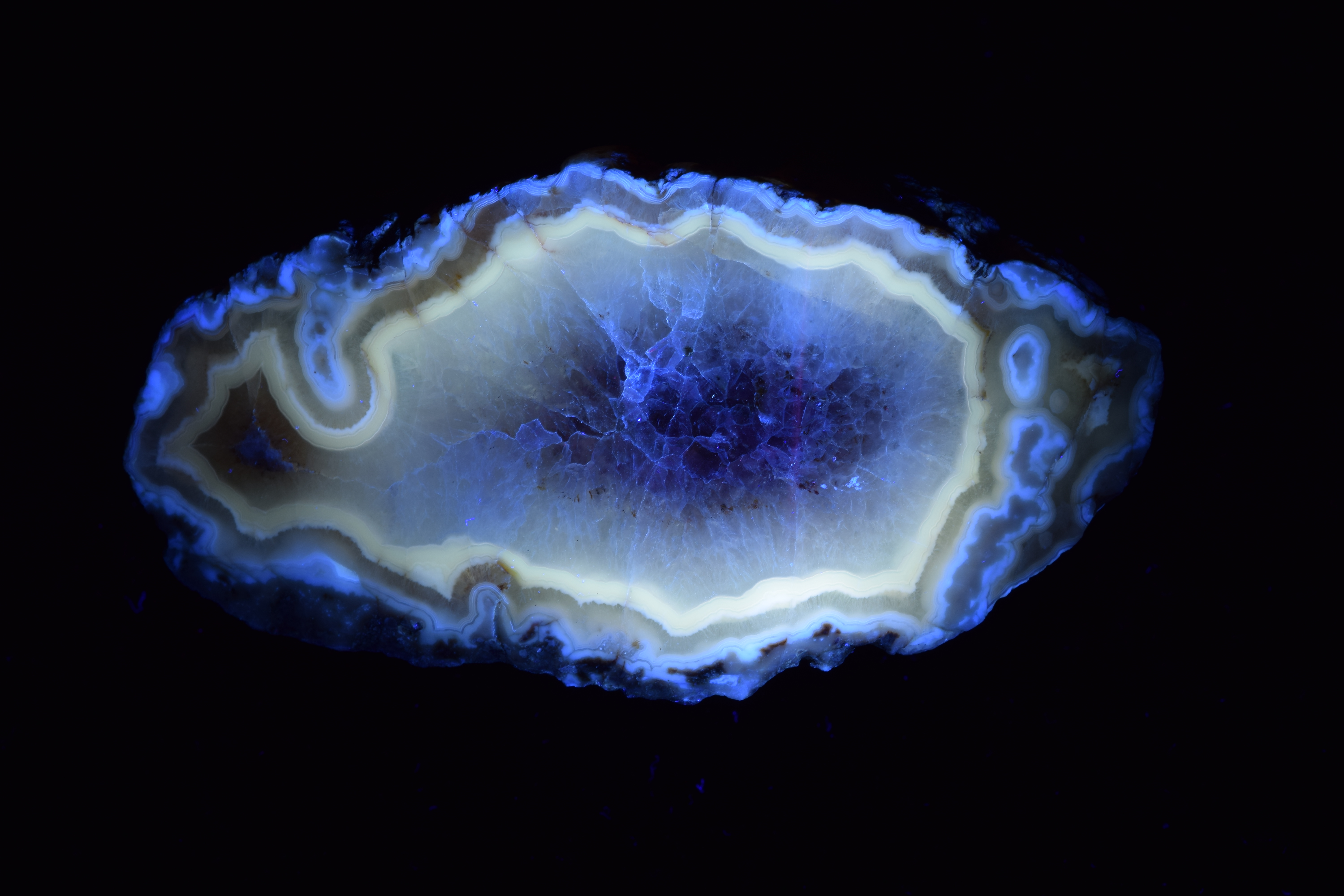
A cut and polished septarian nodule.  First photographed under white light, then short wave ultraviolet light.  It will be in the fluorescent mineral display at the 59th Gem & Mineral Show at the KCI Expo Center March 13th, 14th and 15th, 2020.

DSC_0402DSC_0432

Photographed by Dan Snow


November Waldo Library Display

Show-Me Rockhounds – show-off some of their activities and display specimens of rocks and minerals.  Credit for the display and arrangement goes to Steve.  He put together two very nice posters showing some club activities including wire wrapping, field trips and related photos of interest.  One poster asks it you might be a rockhound.  All specimens are from Steve’s and other members collections.  What a great variety!  Something for everyone.   Photos by Connie Snow