rocks

Most of the specimens featured here, unless they are fossils

Wisconsin Moonstone

When you think of rockhounding in Wisconsin, you probably think of Lake Superior agates. But did you know that Wisconsin also has moonstone? Read this article from the MWF January 2015 newsletter to find out more.

Anorthoclase moonstone from Wisconsin.

Image from Bill Schoenfuss and Moonlight photography.

WISCONSIN’S MOONSTONE

by Dr. William S. Cordua

Emeritus professor of Geology

University of Wisconsin – River Falls

Imagine an October full moon in Wisconsin glowing ghostly blue to yellow as it seems to float over the newly harvested farm fields. Or is this captured in the rock? In Wisconsin’s own moonstone?

Wisconsin moonstone has been known for decades, but only recently have skilled lapidarists learned to work it to bring out its full beauty. This find surprises non-residents, who at generally associate Wisconsin gemstones with Lake Superior agates and nothing else. What is this material? How did it form? What causes its optical effect?

The moonstone localities are on private land in central Wisconsin, not far from Wausau in Marathon County. The mineral is a type of feldspar known as anorthoclase. This formed as a rock-forming mineral within the Wausau Igneous Complex, a series of plutons intruded between 1.52-1.48 billion years ago. There are at least 4 major intrusive pulses within the complex.

The anorthoclase is in the Stettin pluton, the earliest, least silicic and most alkalic of the plutons of the Wausau complex. This body is complexly zoned, largely circular in outcrop and has a diameter of about 4 miles. It is mostly made of syenite, an igneous rock resembling granite, but lower in silica and higher in alkali elements such as potassium and sodium. As such, it lacks quartz, but does contain a lot of alkali feldspar. Further complicating the geology is the intrusion of later pegmatite dikes. Some especially silica-poor varieties sport such odd minerals as nepheline, sodalite, fayalite, and sodium rich amphiboles and pyroxenes. Zircon, thorium, and various rare earth element minerals can be found in this pluton. Large prismatic crystals of arfvedsonite and nice green radiating groups of aegirine (acmite) crystals have been collected for years from these rocks. It is also the pegmatite dikes that contain the anorthoclase showing the moonstone effect.

The moonstone has been found in small pits and quarries and also in farm fields where masses weather out and get frost-heaved to the surface. The weathered masses of coarse cleavable feldspar may at first not look too interesting, but at the right angle the moonstone effect can be seen. The feldspar has two change and bounding capacity, so fit readily in the same niches in the feldspar. But sodium and potassium aren’t enough alike. If the feldspar cools down slowly, to below 400 degrees C, the feldspar structure contracts in size, and sodium and potassium are no longer good interchangeable fits. The homogenous anorthoclase splits on a fine scale into intergrown potassium feldspar and albite. Sometimes the bands of alternating minerals are coarse enough to see. Other times they are microscopic. If they are just the right size and spacing, they scatter the light that penetrates the various layers in the mineral – producing the moonstone effect, or schiller. The only anorthoclase that is truly not a mixture is that which cools very rapidly, such as in lava flows, so the separation cannot occur, and the mineral is frozen into its high temperature form. The material at Wausau cooled slowly, so isn’t, strictly speaking, anorthoclase anymore, but an exsolved mixture.

The crystalline structure controls the orientation of these exsolution bands, hence the effect is seen better on some surfaces (the {010} cleavage for example) than at others. This is one reason why shaping the rough stone takes such skill. Other challenges are the weathered nature of some of the stone, and exploiting the cleavage directions inherent in the feldspar.
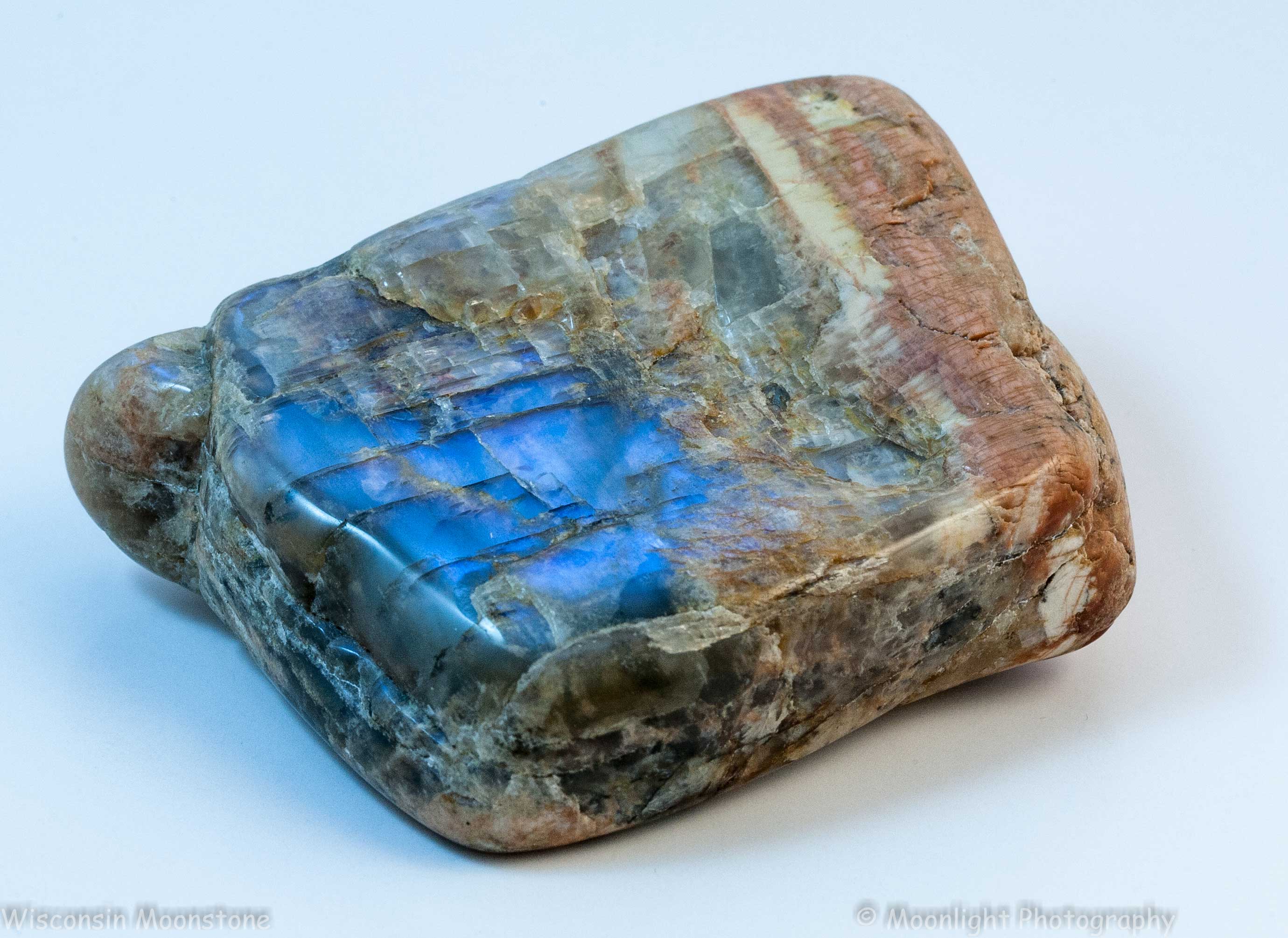
Polished moonstone fragment several centimeters long showing the moonstone effect.

Image from Bill Schoenfuss and Moonlight photography.

The master of processing these stones is Bill Schoenfuss of Wausau, Wisconsin. Bill often exhibits and sells his beautifully prepared moonstone at shows in the upper midwest. He can be contacted at schoenfuss

Moonstone has been prized as a gem since antiquity, often characterized as being like solidified moonbeams. The Greeks and Romans both related the gem to their moon gods and goddesses. The American Gem Society considers moonstone an alternate birthstone for June.

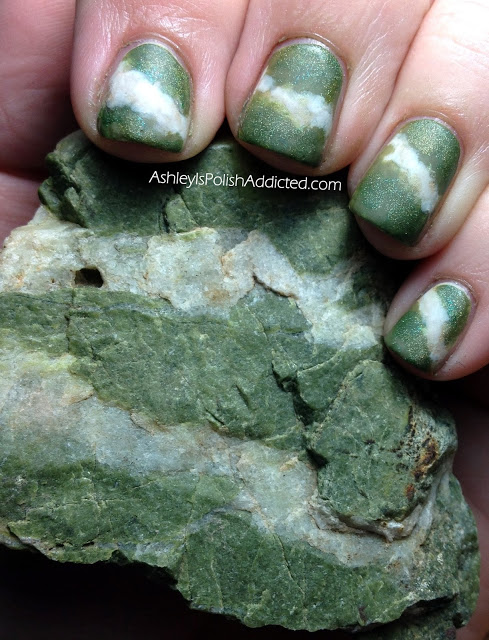
Mineral Nail Polish

There are a lot of ways to express your love for rocks, whether you have a display case in your home, a collection of geology maps and field guides, you go to gem and mineral shows, or even bake a rock cake.  Ashley has a passion for nail polish and had a rock collection as a child, so she combined the two by painting her nails to look like this specimen of quartz and green shale. I love the way she used multiple shades of green and white to perfectly recreate the color of the shale and make the “quartz” part of her fingernails look translucent. Go to her blog post to find out the specific kinds of nail polish she used.

Photos from the Gem Show

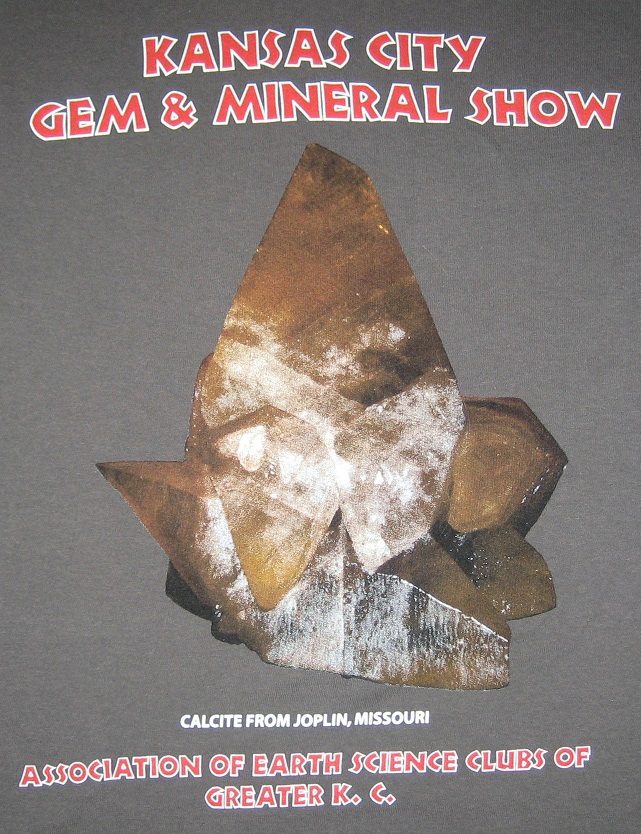
New shirt celebrating the Kansas City Gem & Mineral Show.

New T-shirt celebrating the show and featuring a calcite crystal.

Shirts are only $10 and we have plenty left if you want one.

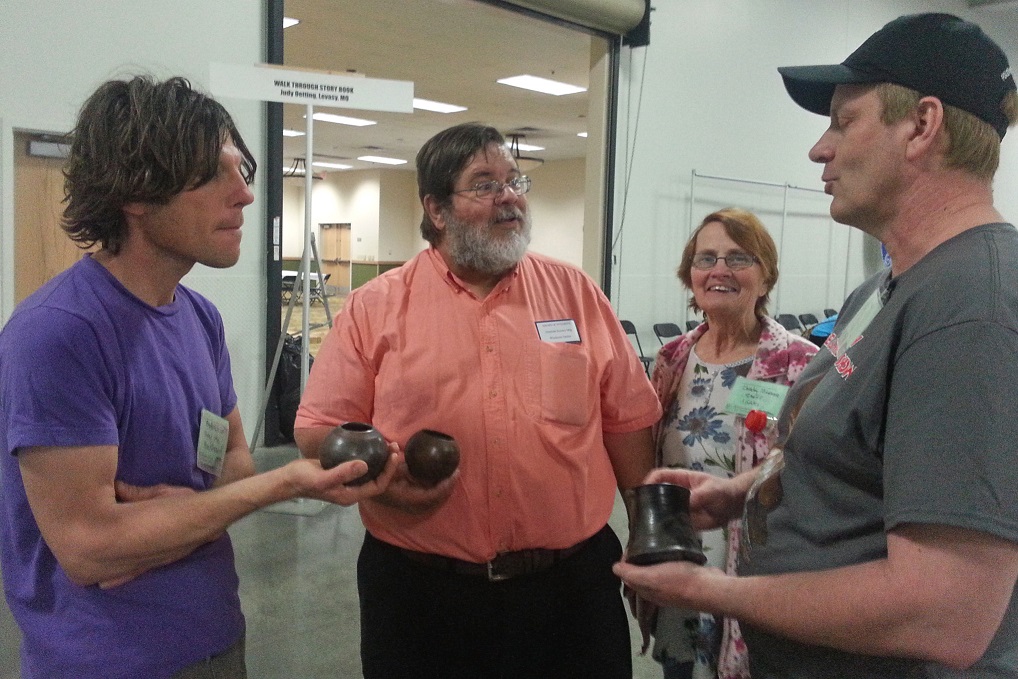
Four Show-Me Rockhounds members discussing pottery.

Show-Me Rockhounds members discussing pottery.

Show-Me Rockhounds members loading the storage container.

Show-Me Rockhounds members loading supplies into the storage container.

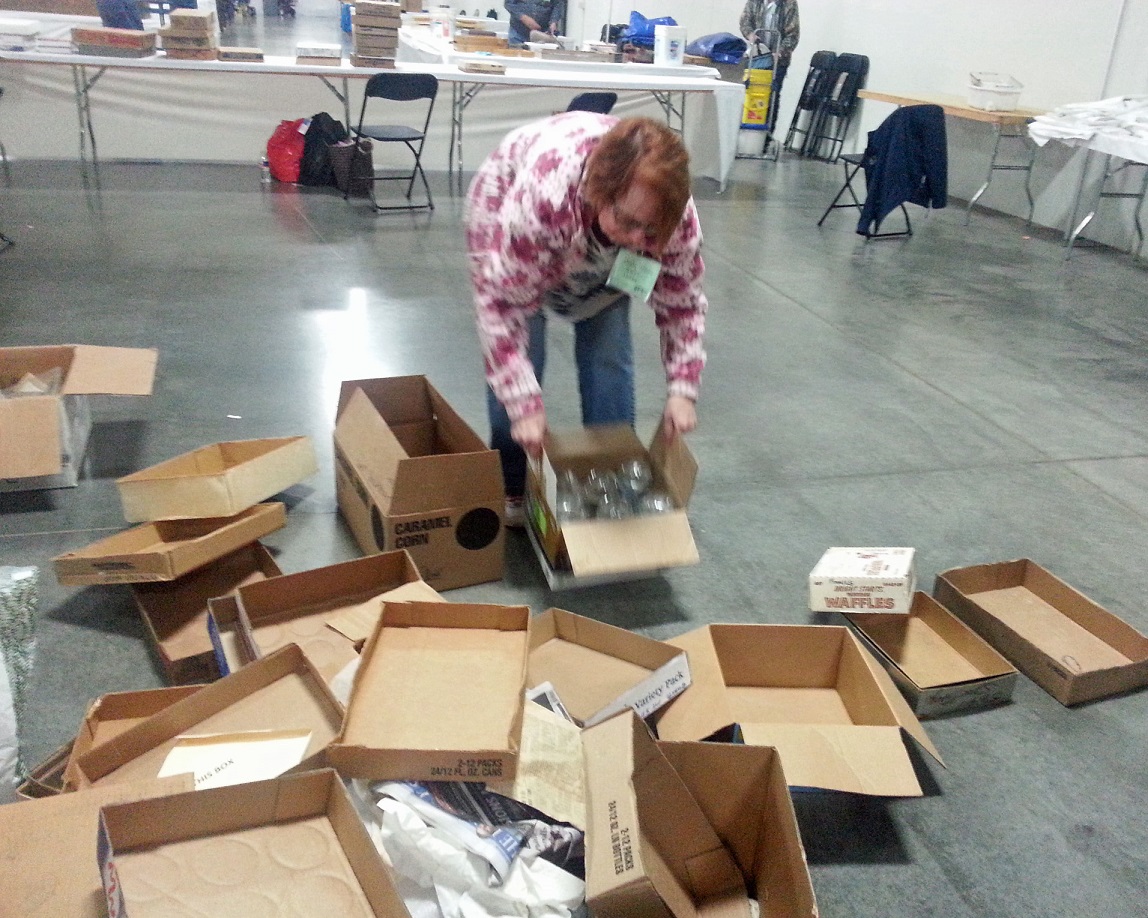
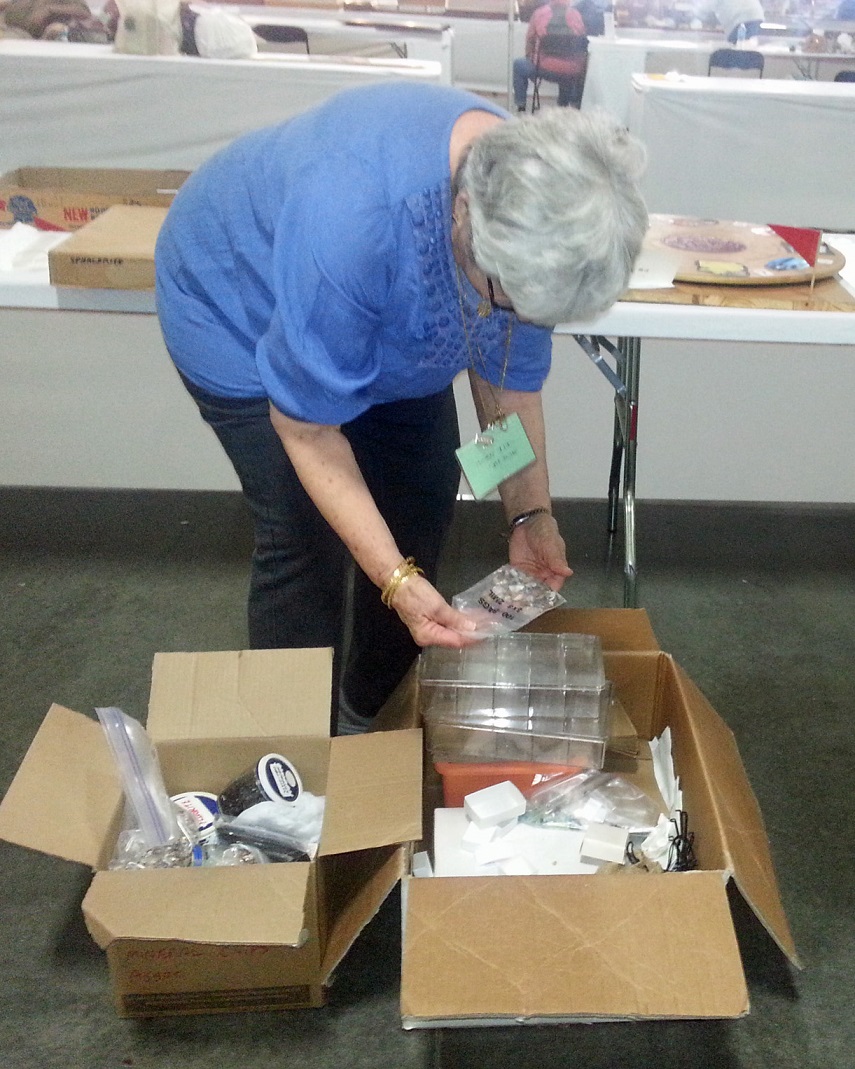
Unpacking boxes

Rockhounds hard at work.

Unpacking boxes

Unpacking boxes.

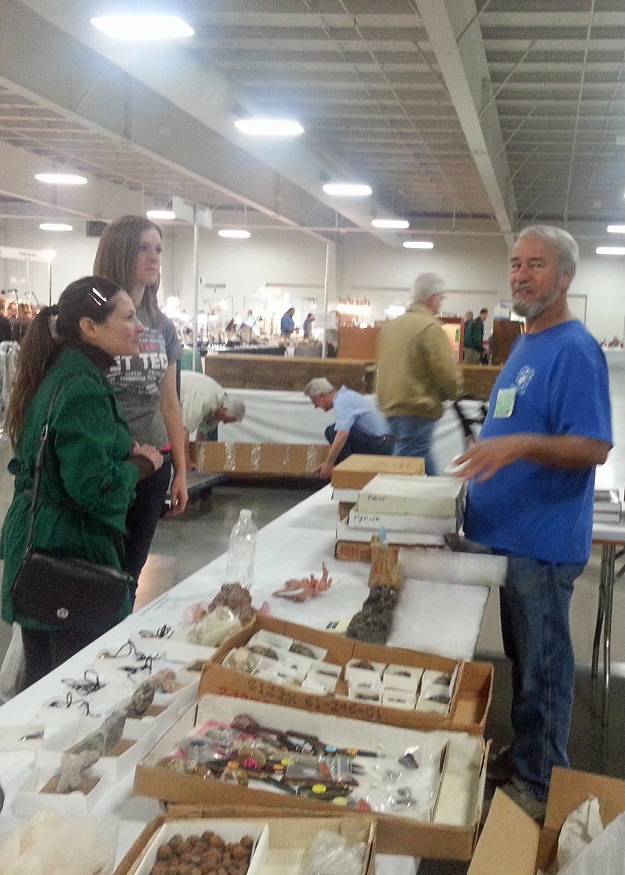
Bob selling minerals to some happy customers.

Bob selling minerals to some happy customers. Bob is a great salesman.

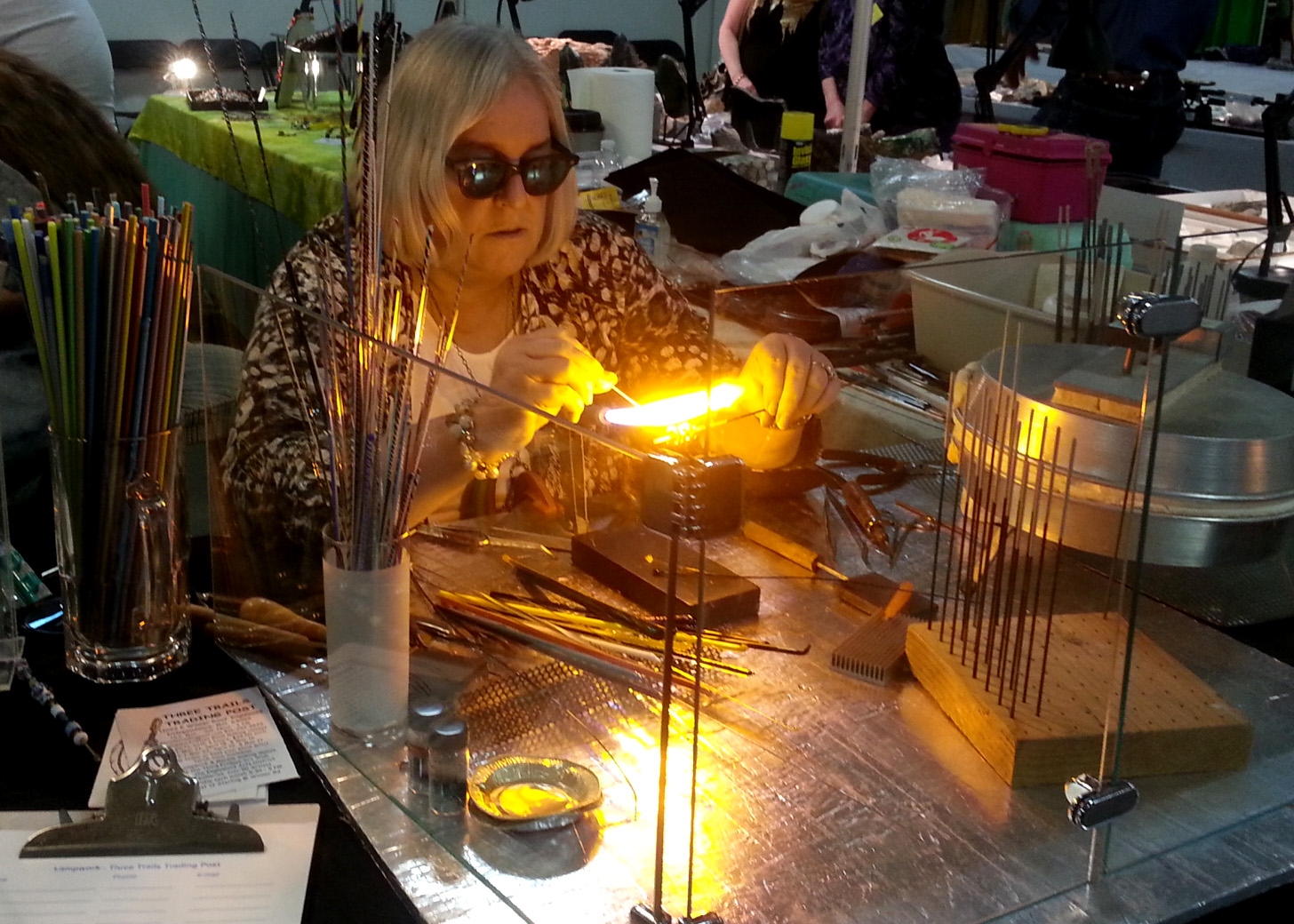
Making glass beads (lampwork) at the Three Trails Trading Post.

Making glass beads (lampwork) at the Three Trails Trading Post.

I took a lampwork class at the Three Trails Trading Post once and it was really fun. I highly recommend it.

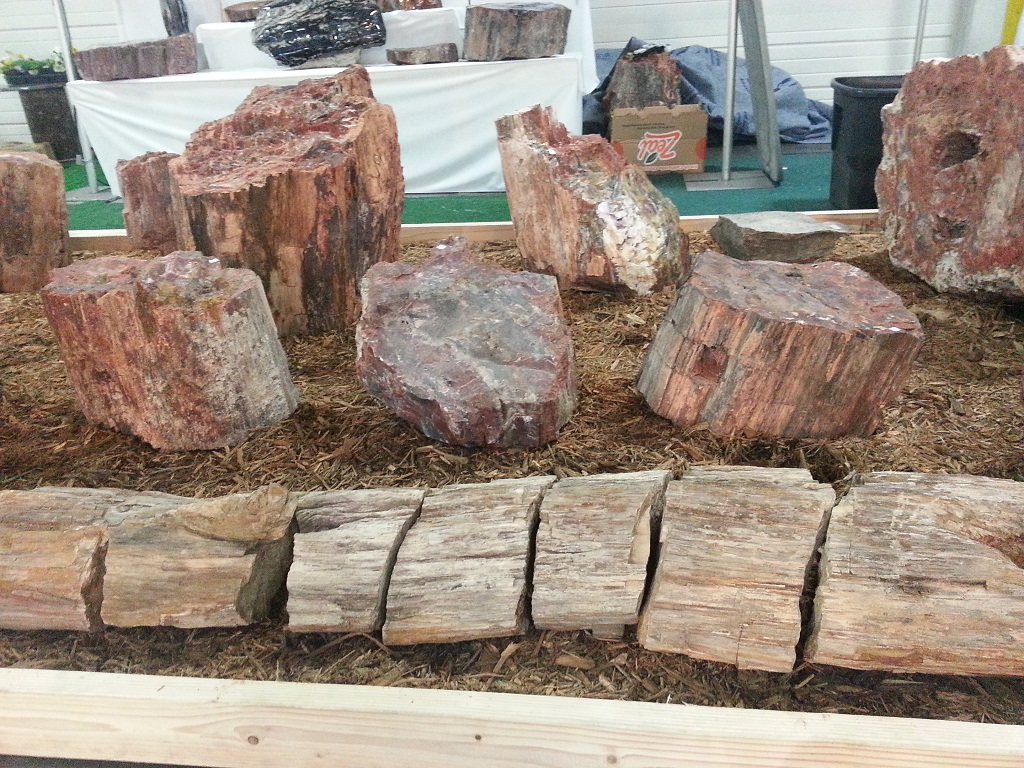
Huge pieces of petrified wood from Lincoln Curios. They are in a display that looks like a forest.

Huge pieces of petrified wood from Lincoln Curios.

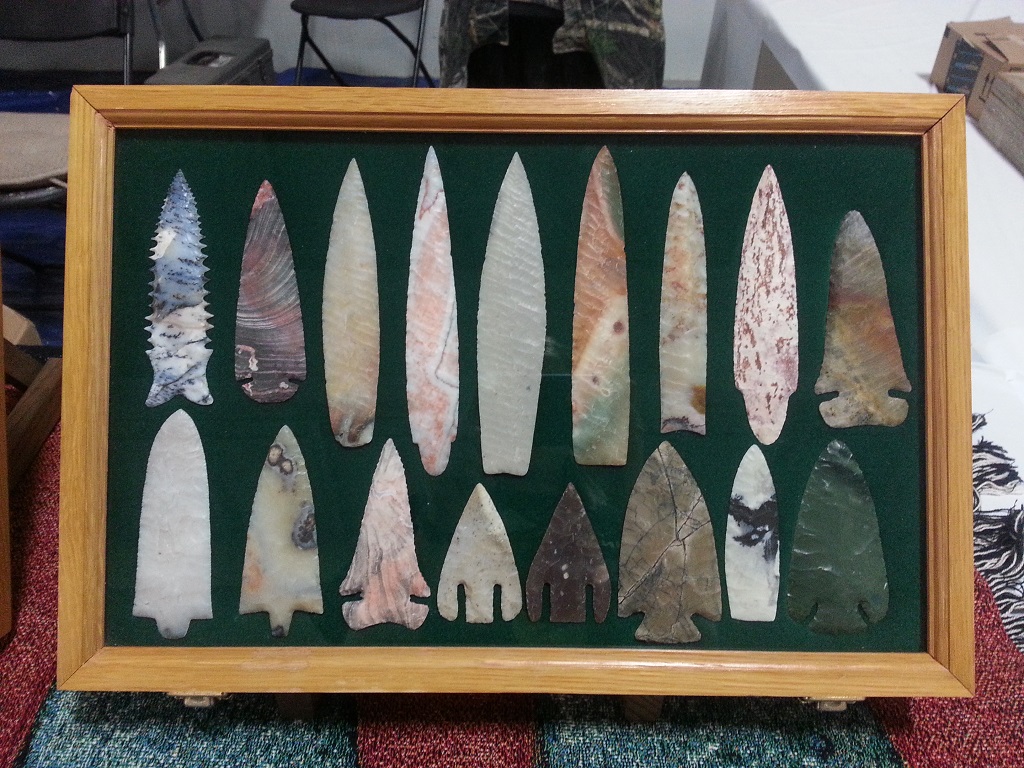
Arrowheads made by the Flint Knappers.

Arrowheads made by the Flint Knappers.

The Flint Knappers were next to our booth and they were making arrowheads and going tap, tap, tap the whole time.

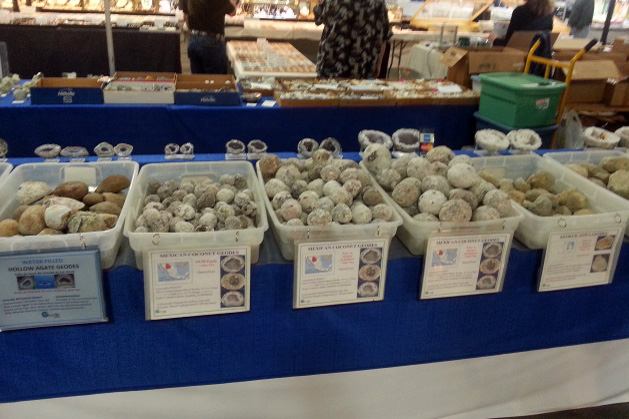
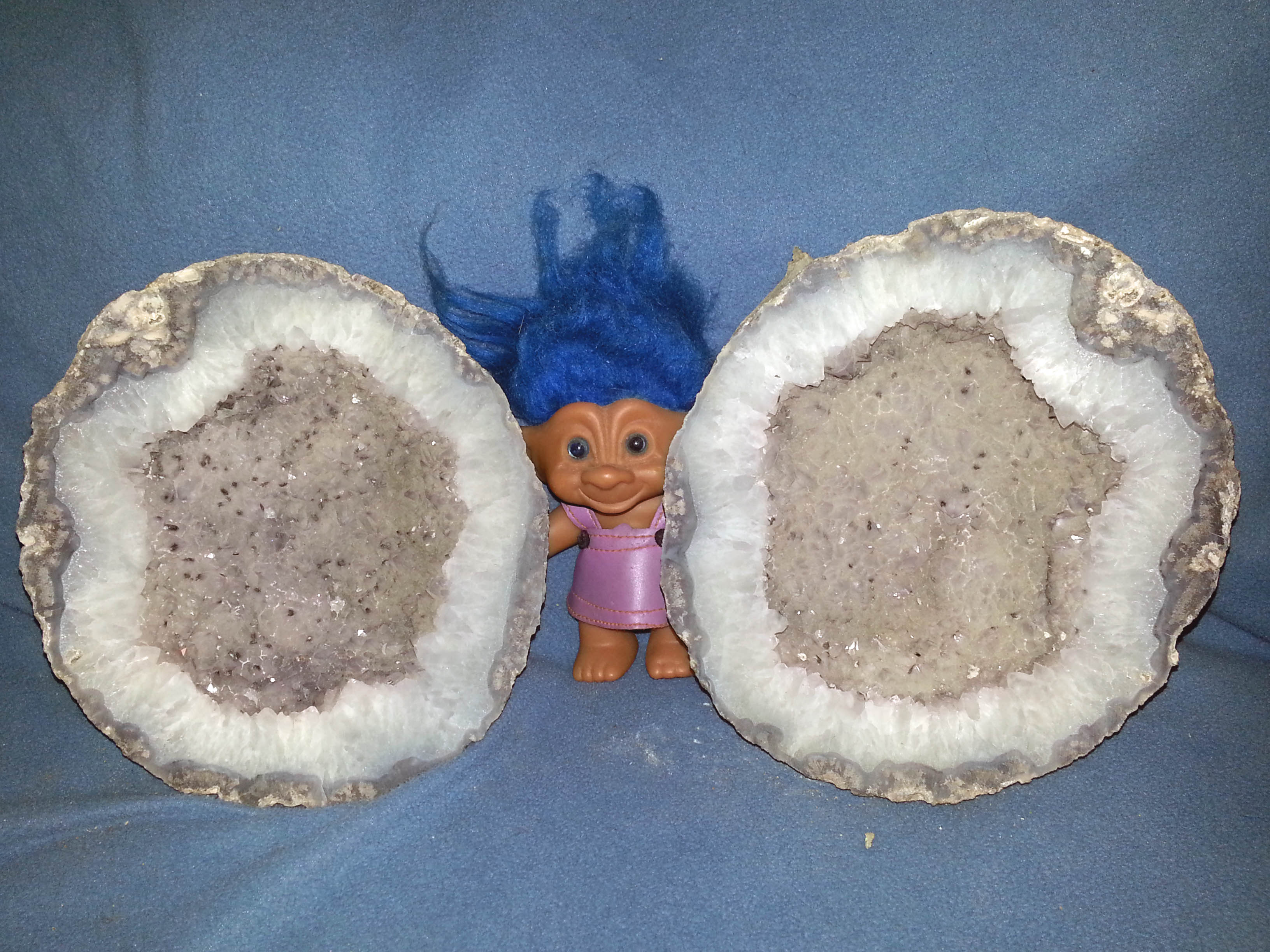
Tubs full of geodes that you can have opened onsite.

The Geode Gallery lets you pick out a geode and have it opened onsite.

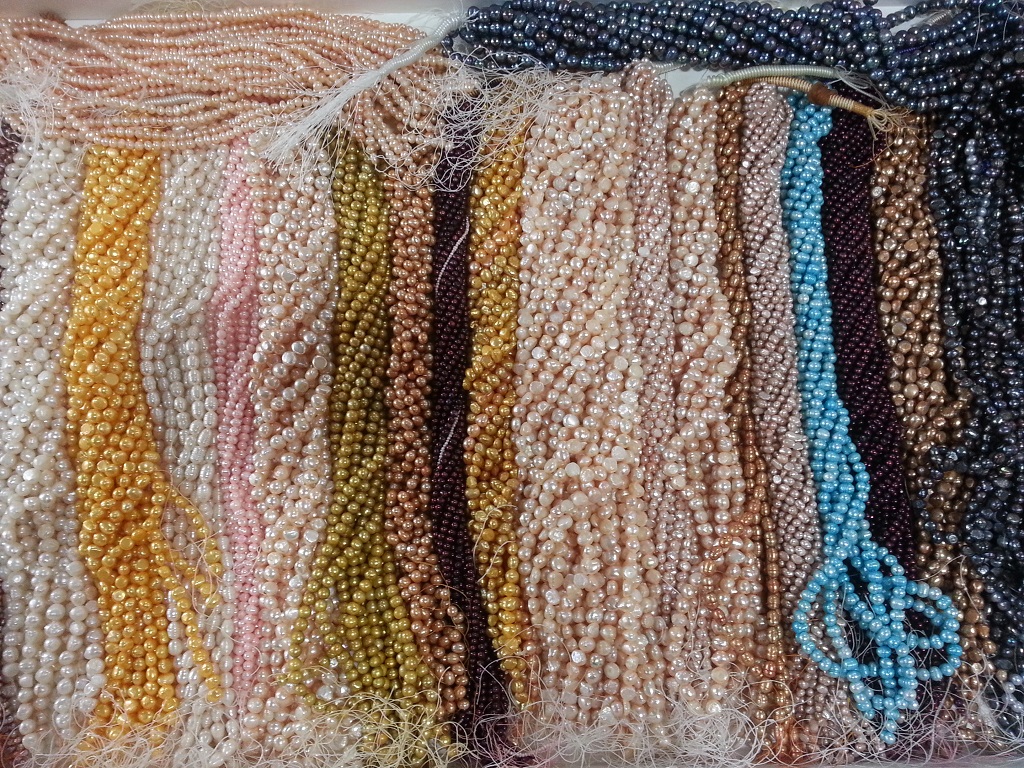
Pearls from Hartman Enterprises.

Pearls from Hartman Enterprises. There are miles of beads for sale at shows like this.

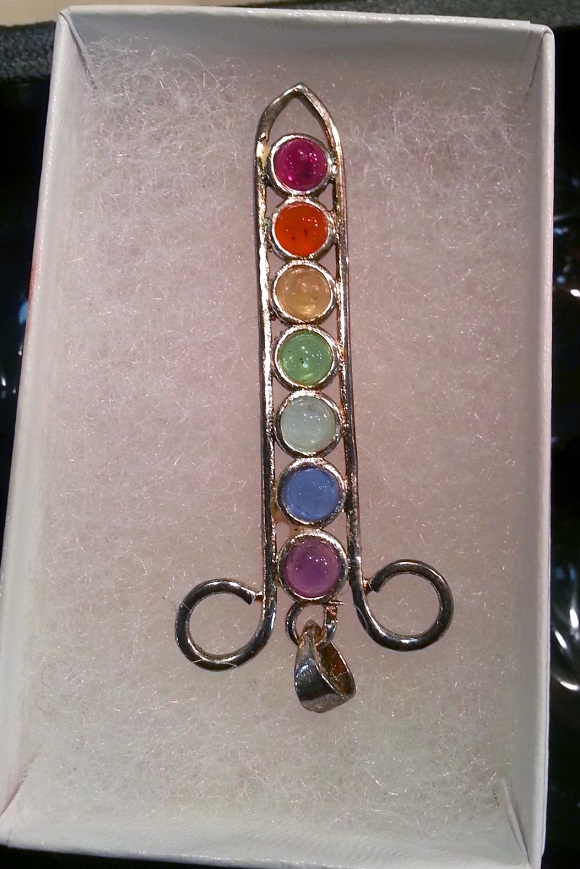
A rainbow crystal pendant for your chakras.

A rainbow crystal pendant for your chakras.

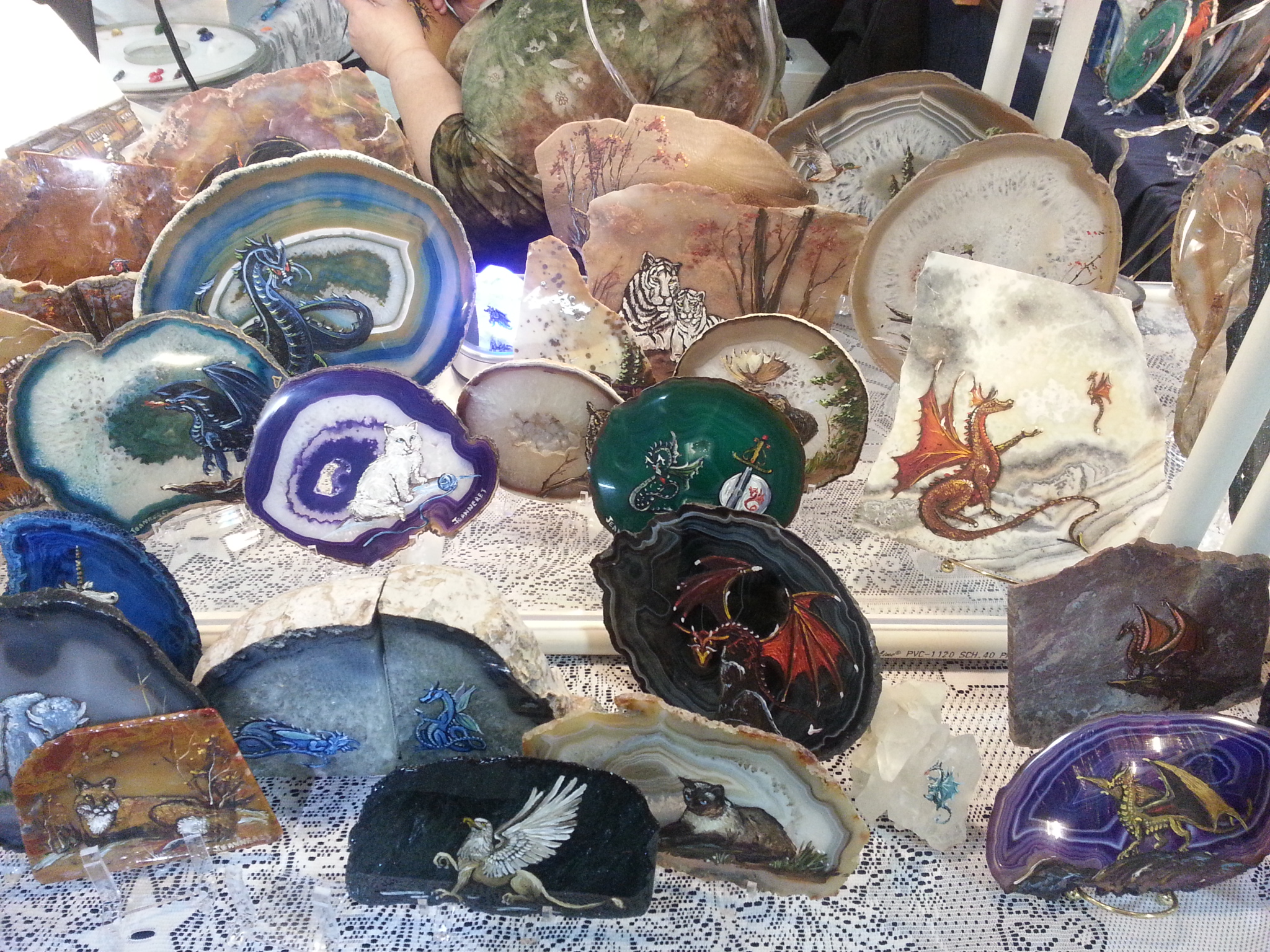
Colorful agate slabs with dragons, cats, penguins, and other creatures painted on them.

Painted agate slabs from Aerie Artwork

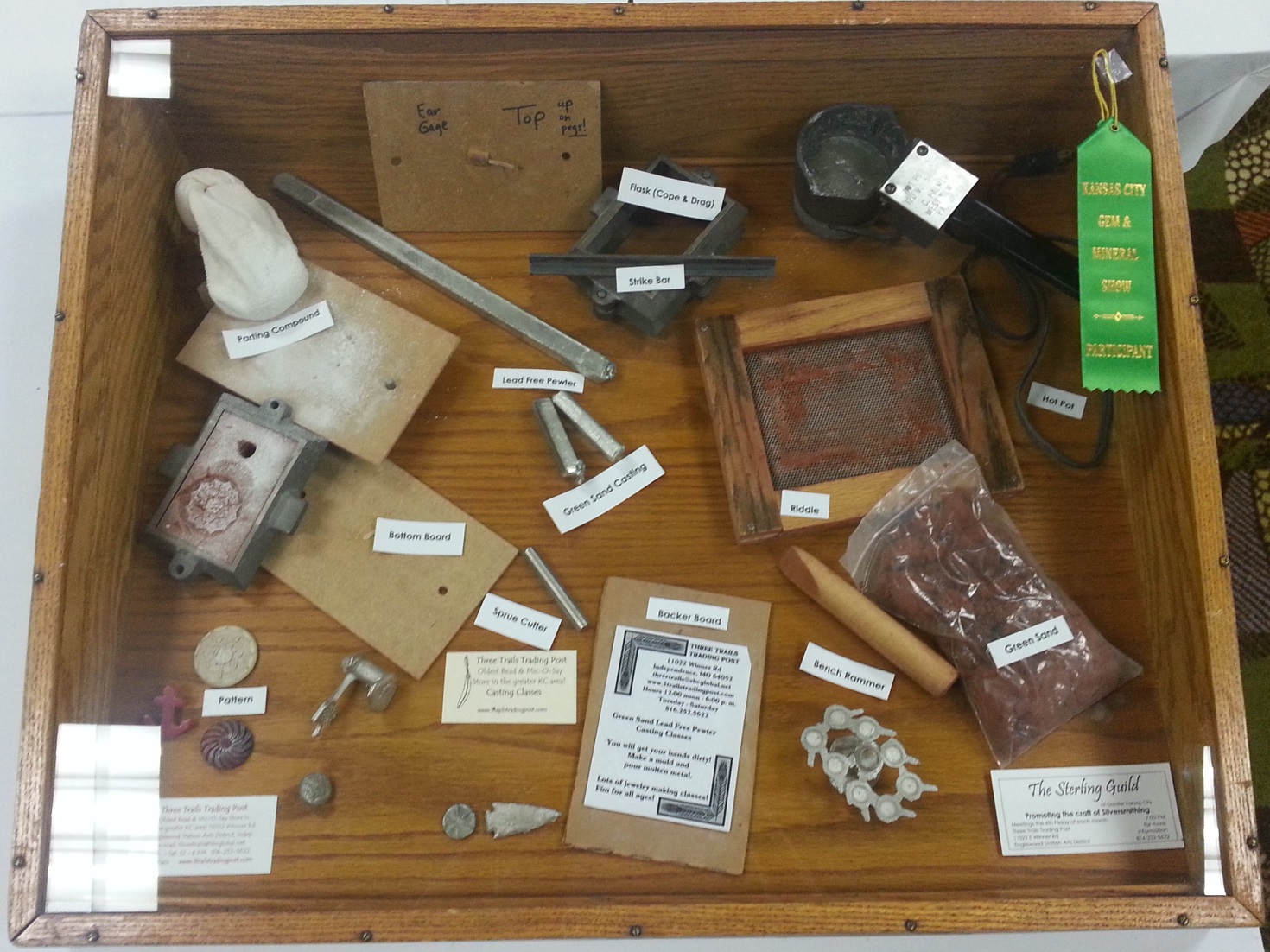
A display of metalworking tools made by the Sterling Guild.

A display of metalworking tools made by the Sterling Guild.

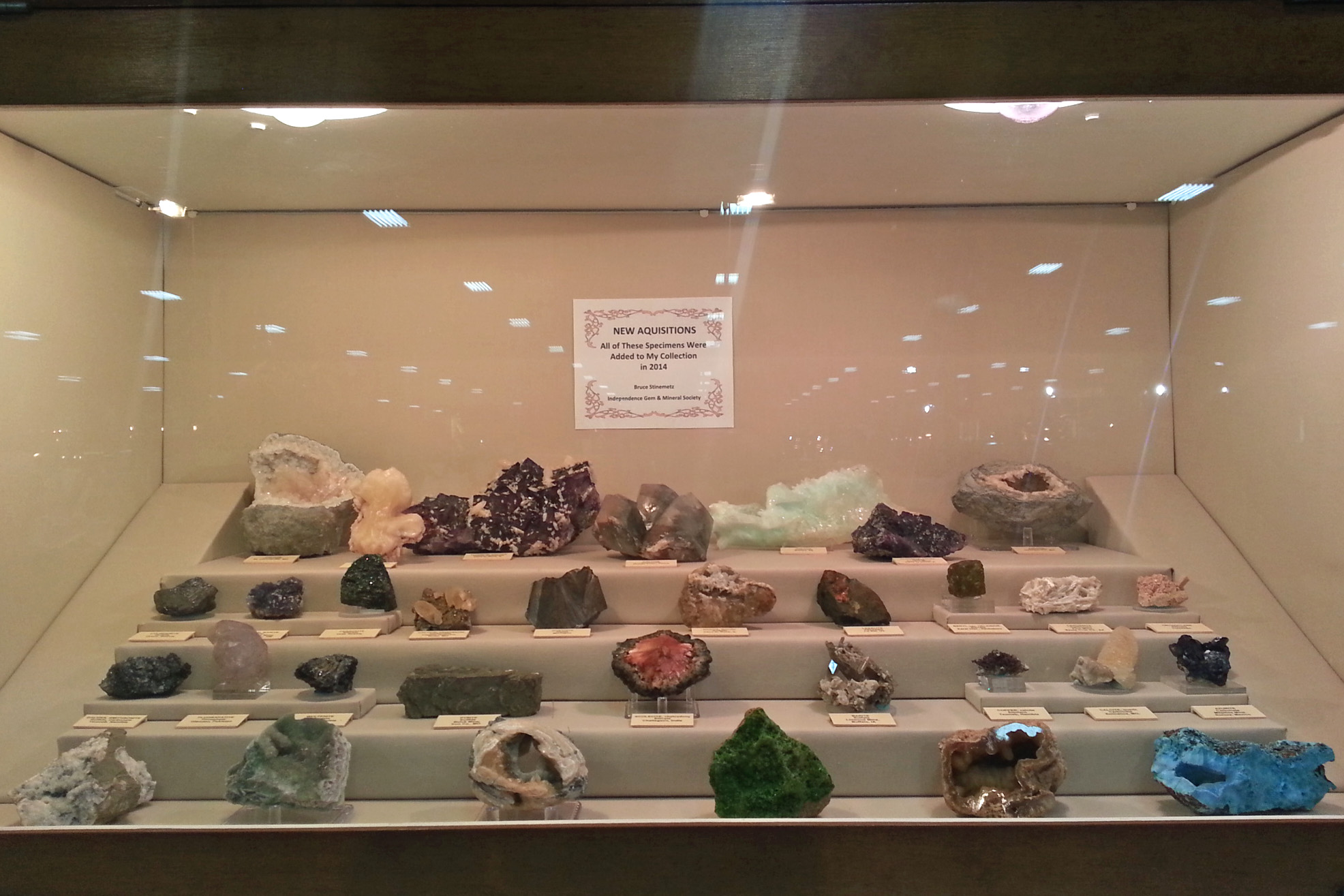
A display made by Bruce from IGAMS showing his new acquisitions from 2014.

A display made by Bruce from IGAMS showing his new acquisitions from 2014. Bruce made several displays and made the rest of us look like slackers.

Rectangular slabs of brown and yellow tiger's eye that resemble bacon.

Somebody decided that tiger’s eye looks like bacon slices when cut into slabs.

Emeralds

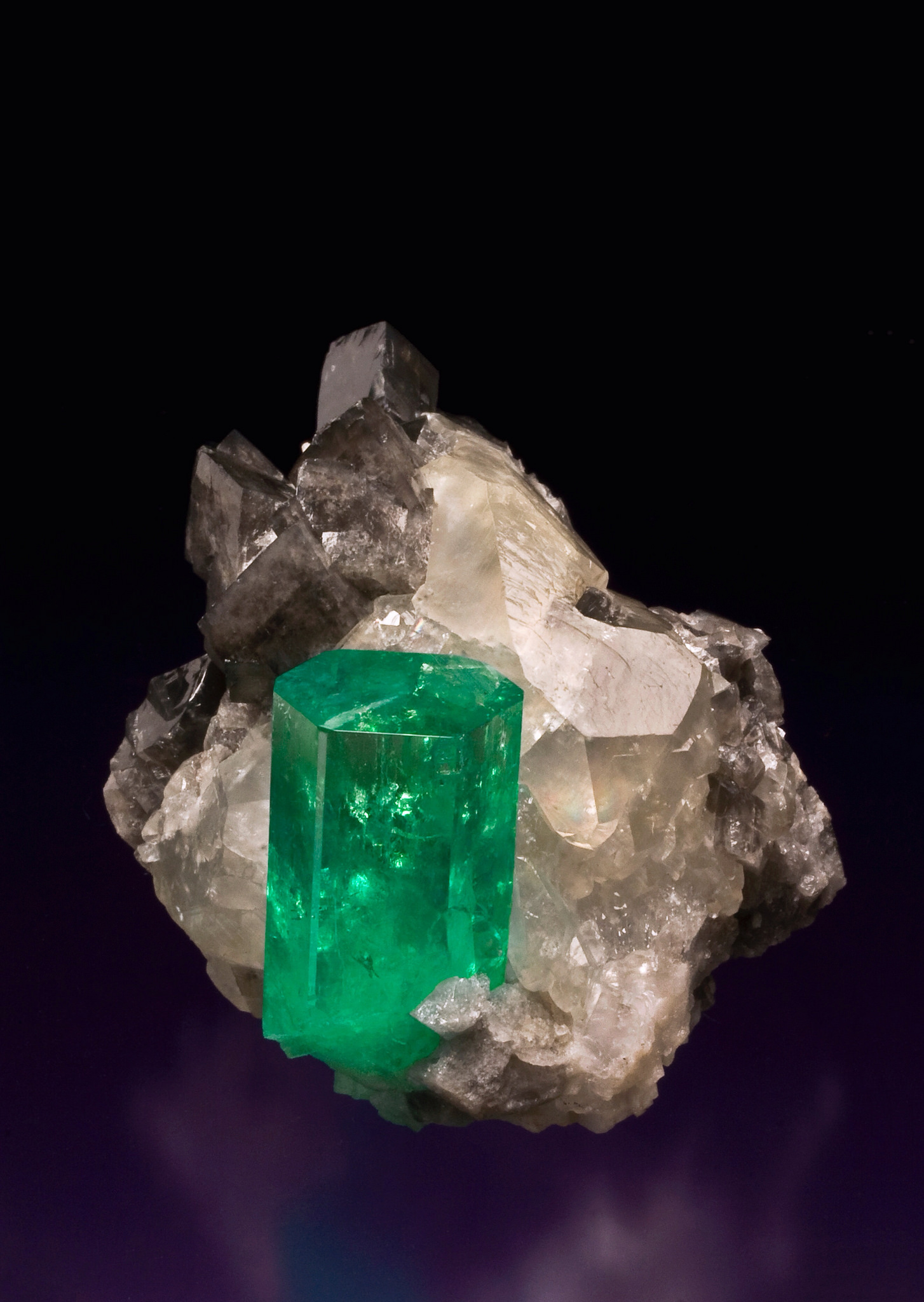
Emeralds are the most famous green gemstone. The word emerald is practically synonymous with the color green, and in fact, the name emerald comes from the Greek smaragdos which means “green gem.” Ireland’s nickname “The Emerald Isle” sadly does not refer to any emeralds found there but for the green scenery.

Emeralds are the green variety of the mineral beryl. The famed green color comes from chromium impurities. When beryl appears in other colors due to different impurities it is called aquamarine (blue), morganite (pink), bixbite/red beryl (red), or heliodor (yellow). Emerald rates 7.5-8.0 on the Mohs hardness scale, though it can be brittle. Emeralds are usually found in Colombia (South America) or Zambia (Africa) in granite pegmatites and metamorphosed mica schists. They grow in hexagonal crystals. The most valuable emeralds for gems are transparent rather than opaque, have few inclusions, and are a dark shade of green. Emeralds usually have quite a lot of inclusions, so sometimes people use oil to hide them, but looking at the inclusions can help you tell where the emerald came from. One final fun fact: There is even a faceting method called the emerald cut, which has a rectangular face with 8 sides. It is also known as the octagon cut. The emerald cut works well on emeralds but can be used on any gemstone, even diamonds.

The Blarney Stone

I don’t know about you, but I’m still in the St. Patrick’s Day spirit. This is the Blarney Stone, the most well-known rock in Ireland. The Blarney Stone is embedded 90 feet high in a tower of Blarney Castle, in the village of Blarney near Cork, Ireland. Legend has it that if you kiss the stone you will receive the skills of eloquence, persuasion, and flattery: in other words, blarney. Climb to the top of the tower, sit with your back to the stone, then have someone hold your legs down while you lean backwards to kiss the stone.

The Blarney Stone itself is carboniferous limestone, also known as bluestone. Geologists at Glasgow University analyzed a sample of the stone and determined that it is “limestone, made of the mineral calcite, and containing recrystallised and slightly deformed fragments of fossil brachiopod shells and bryozoans – all of which are unique to the region where it is based” (www.theguardian.com/world/2014/mar/16/mystery-blarney-stone-heritage-solved) Some stories suggest that the Blarney Stone was from Scotland, but this research shows that it is native to Ireland and is about 330 million years old. Erin go bragh!

Valentine’s Hearts

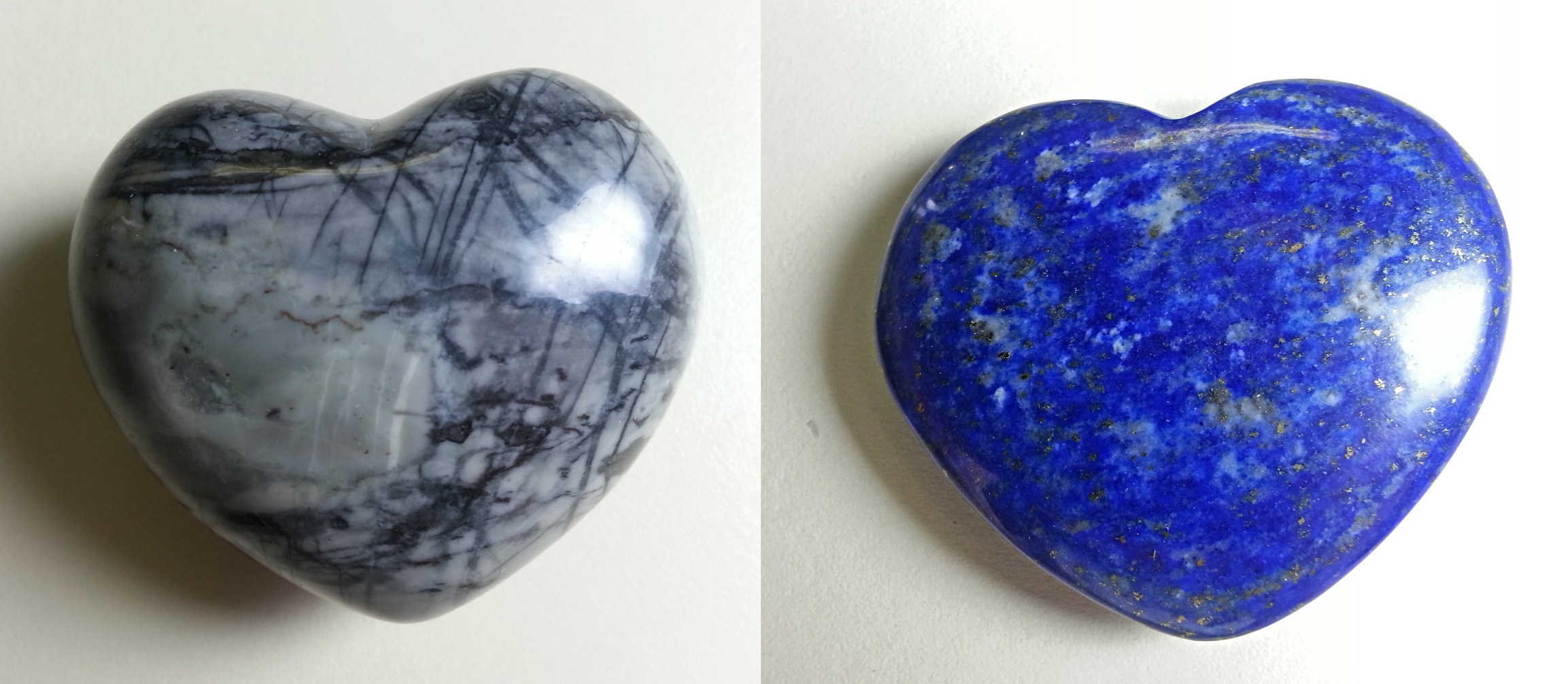
Two shiny stones carved into heart shapes. One is gray with black cross-hatched lines and the other is blue with small white swirls and gold sparkles.

Photos by Stephanie Reed

Two Show-Me Rockhounds members who are very much in love took a trip to Hot Springs, AR. While they were there they stopped at a rock shop, of course, and these carved hearts caught their attention. Stephanie was drawn to the gray and black petrified wood heart because she thought it looked like a charcoal drawing. David was drawn to the blue sodalite heart because the blue color reminded him of lapis.

What kind of rocks catch your attention, and why?

Vanadinite

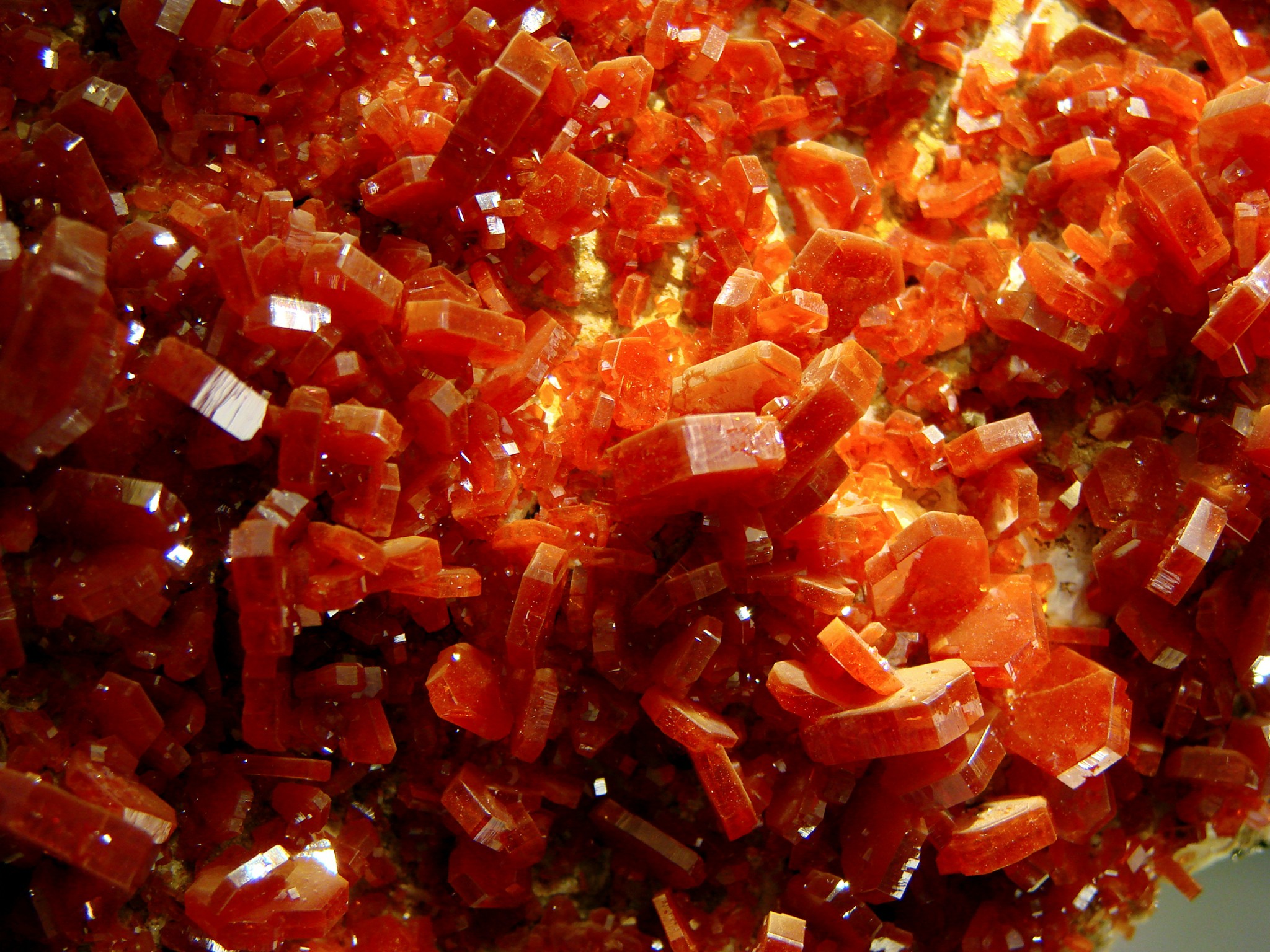
Lots of flat orange crystals with some small grains of yellow crystals in between.

Photo by Egen Wark

Reposted from our friend Mineralogy on Google+: Vanadinite is a lead chlorovanadate characterized by red to red-orange hexagonal crystals. It is a secondary mineral found in the oxidized zone of lead deposits resulting from the alteration of vanadiferous sulfides and silicates. A member of the apatite group, vanadinite forms a solid-solution series with its phosphate (pyromorphite) and arsenate (mimetite) analogues. It was first discovered in Mexico in the 19th century and is prized by collectors due to its distinctive color.

If you like the photo and writeup, check out Mineralogy’s Google+ page and follow them.