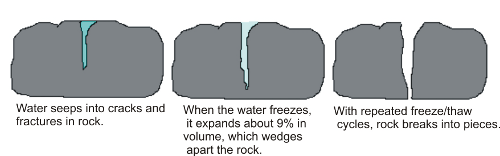
Weathering

Weathering is when rocks break down in place, that is, without moving the rock. This is usually done by water, but there are plenty of other physical and chemical processes that break down rocks without moving them. Physical weathering occurs when a tree root grows into a rock and breaks through, when a river cuts through a canyon, when particles carried by the wind abrade the rock, or during the process of frost wedging, which is when water fills a crack in a rock and freezes, then the ice expands and makes the crack deeper. Chemical weathering can be caused by acid rain or even regular rain, as minerals in the water weaken the rocks and make it easier for them to be eroded or broken later. Minerals can even react with chemicals in the air (such as iron and oxygen reacting to form rust, also known as iron oxide) or with other minerals nearby. Minerals are made of chemicals, after all, and there is nothing stopping them from reacting with one another.

There are a lot of interesting ways that minerals can change due to weathering, both physical and chemical. For example:

  • Limestone dissolves
  • Calcite dissolves
  • Gold may dissolve if manganese is present
  • Silver minerals can change to horn silver (cerargyrite) or dissolve
  • Feldspar changes to clay
  • Olivine and hornblende change to serpentine or chlorite
  • Pyrite changes to limonite and hematite
  • Rhodochrosite and rhodonite change to psilomelane or pyrolusite (manganese) minerals
  • Copper sulfide minerals change to malachite, azurite, cuprite, or metallic copper, or may dissolve entirely
  • Some copper minerals become partly limonite

Adapted from an article in Cycad, Flint Chips, Osage Hills Gems 11/1992
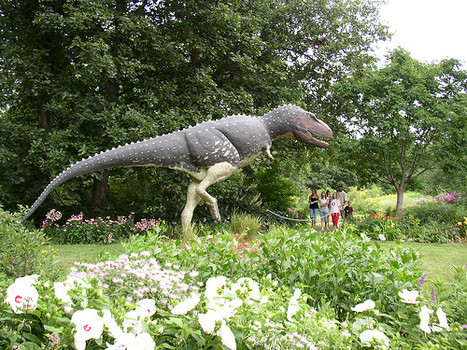
Dino Soiree at Powell Gardens

When: 6:30-8:30 p.m. Friday, June 17 (21 and older)

Enjoy drinks and light bites while you view a fascinating collection of fossils and hear from renowned University of Kansas Paleontologist Dr. David Burnham about the unique and ferocious Dakotaraptor. Prepaid reservations of $30/person or $25/member required. You can make those reservations at https://www.powellgardens.org/dino-soiree or by calling 816-697-2600 x209.

Guests will get one drink ticket, which can be exchanged for wine, beer or a non-alcoholic beverage at the bar. Additional drinks will be available for purchase.

Come early if you would like to take a self-guided tour of Jurassic Garden: A Prehistoric Adventure! If you cannot make the paleontology lecture, there are some other events at the Jurassic Garden: Dining with the Dinos on June 24 (reservations for BBQ dinner with dinos) and Dino Night July 22 (reservations for Dino Night). The Jurassic Garden will be available until August 14, 2016.

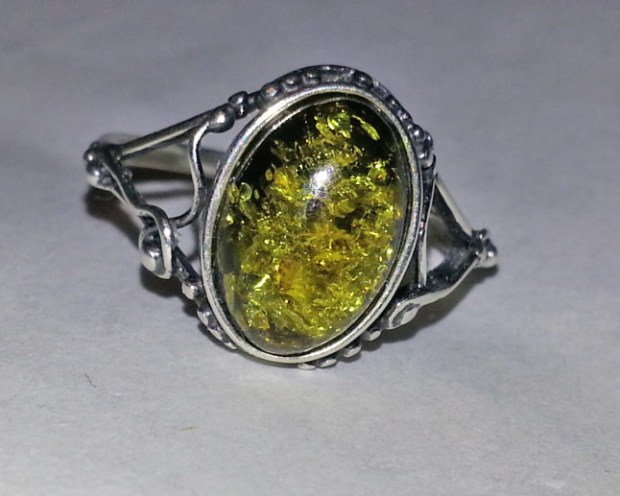
Characterization of Green Amber

silver ring with oval green amber

Green amber ring owned by Stephanie. It has nothing to do with this article. Photo by Stephanie Reed

David highly recommends this article on green amber from Gems & Gemology, 2009. Here is the abstract.

Ahmadjan Abduriyim, Hideaki Kimura, Yukihiro Yokoyama, Hiroyuki Nakazono, Masao Wakatsuki, Tadashi Shimizu, Masataka Tansho, and Shinobu Ohki

Abstract: A peridot-like bright greenish yellow to green gem material called “green amber” has recently appeared in the gem market. It is produced by treating natural resin (amber or copal) with heat and pressure in two stages in an autoclave. Differences in molecular structure between untreated amber and copal as compared to treated “green amber” were studied by FTIR and 13C NMR spectroscopy, using powdered samples. Regardless of the starting material, the FTIR spectrum of “green amber” showed an amber pattern but with a characteristic small absorption feature at 820 cm-1. Solid-state 13C NMR spectroscopy of the treated material indicated a significantly lower volatile component than in the untreated natural resin, evidence that the treatment can actually “artificially age” copal. A new absorption observed near 179 ppm in the NMR spectra of all the treated samples also separated them from their natural-color counterparts.

To read the whole article, go here http://www.gia.edu/gems-gemology/fall-2009-green-amber-abduriyim and click on “Download PDF”.

Children’s Archaeology Dig

On Thurday, May 19, 2016, there will be a free children’s archaeology dig at the Atkins-Johnson Farm and Museum in Gladstone, MO at 6607 NE Antioch Rd. It will start at 6:30 pm. There will be hands-on activities to teach children how to “think like an archaeologist” led by Gail Lundeen. You can also see the new exhibit at the museum called Archaeology: What’s Under the Farm? which will feature actual things found on the property during an excavation in 2014-15. Don’t miss this event!

Selenite Stories

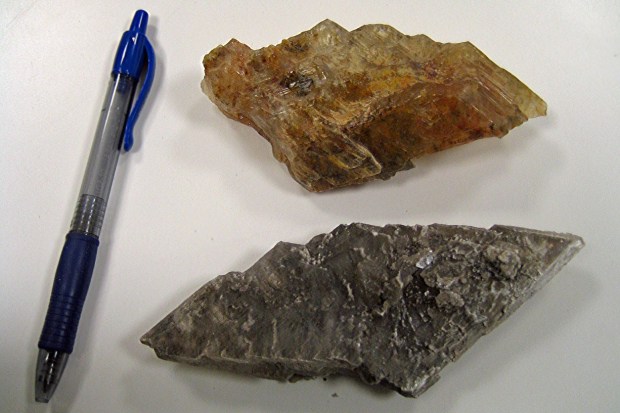
Gray selenite crystal and orange selenite crystal, both about the size of a ballpoint pen.

Photo by Stephanie Reed

Selenite is a type of gypsum that has a flat reflective surface, usually gray, clear, white, or amber. Red is an unusual color for selenite, but they do exist. It is very soft and can be scratched by a fingernail (2 on the Mohs scale). At our February meeting, two of the door prizes were these selenite crystals found by President David Reed. The amber one is from Lake Kanopolis in Kansas. The gray one is from Lake Wilson, which is also in Kansas. David went to Lake Wilson and put a small crystal in the mud. He returned 3 years later and found the large gray crystal.

One time David and Stephanie went to Kansas and found several selenite crystals somewhere near the dam at Lake Wilson. They were gray like this one pictured, but much smaller. On the April field trip to Marquette, some club members also found selenite crystals.

Marquette Field Trip

Here are photos from the Show-Me Rockhounds’ field trip to Marquette, KS on April 16, 2016. This post was written by David Reed, current president of the club.

IMG_20160416_114345

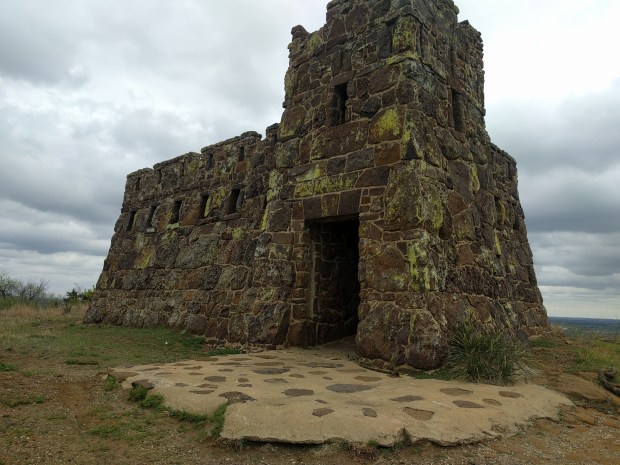
Coronado Heights. Photo by David Reed

IMG_20160416_114338

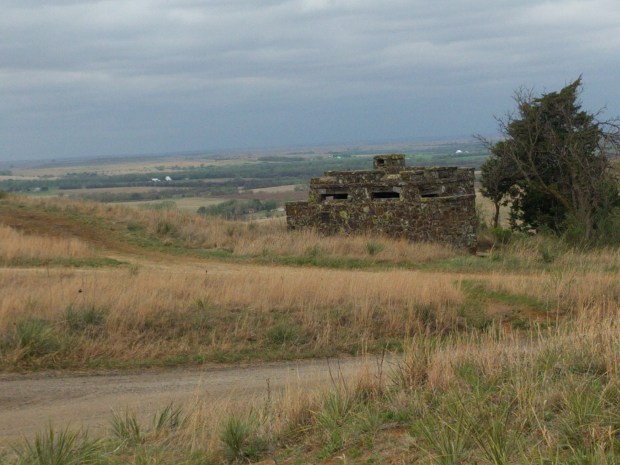
Coronado Heights seen from afar. Photo by David Reed

Coronado Heights picnic

People having a picnic at Coronado Heights. Photo by David Reed

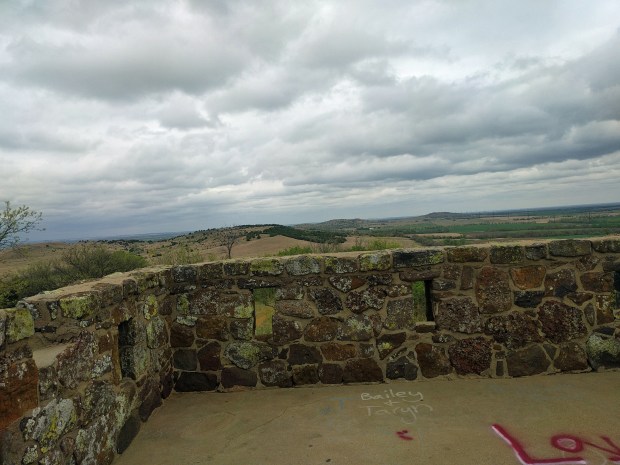
Coronado Heights wall with battlements

Wall with battlements. Photo by David Reed

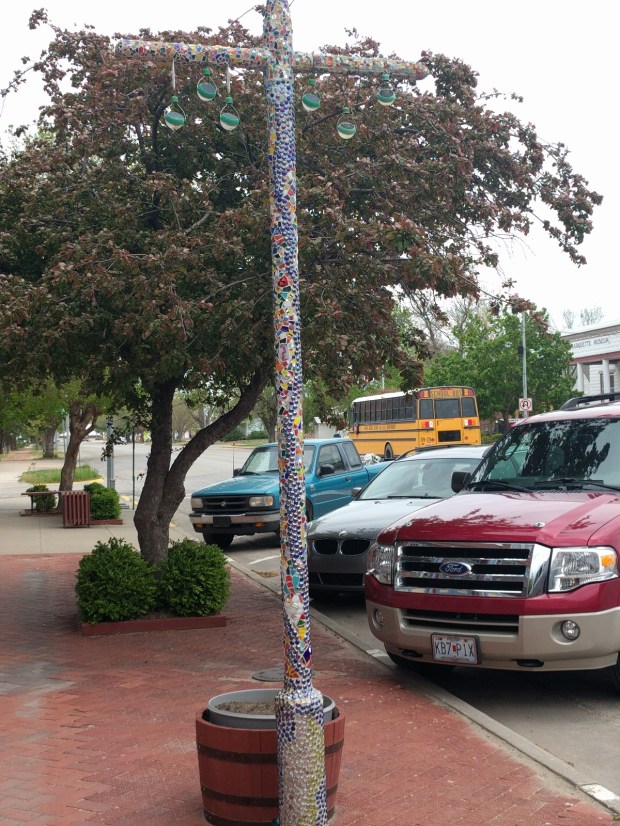
Decorated telephone pole Marquette KS

Telephone pole in downtown Marquette imitating decorated telephone poles in Lucas, KS and elsewhere. Photo by David Reed

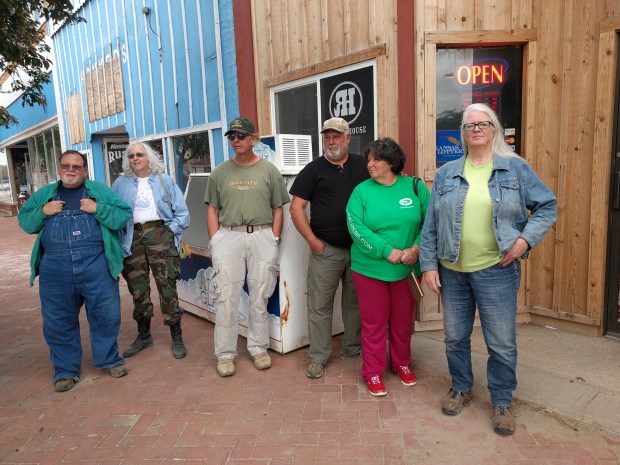
people in front of the diner

Meeting at the diner. Photo by David Reed

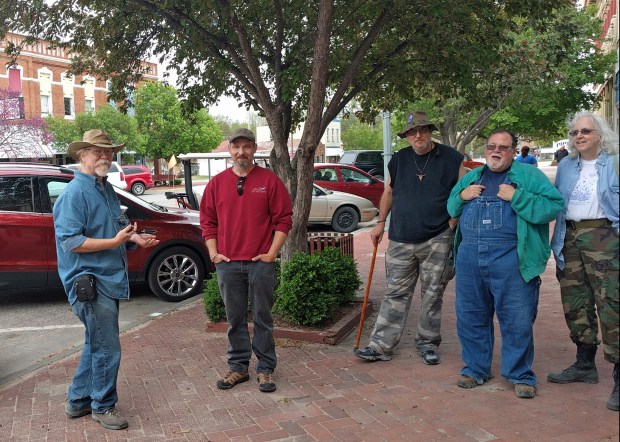
people in front of the diner

Meeting for lunch. Photo by David Reed

people meeting for the field trip

Ready for lunch. Photo by David Reed

art

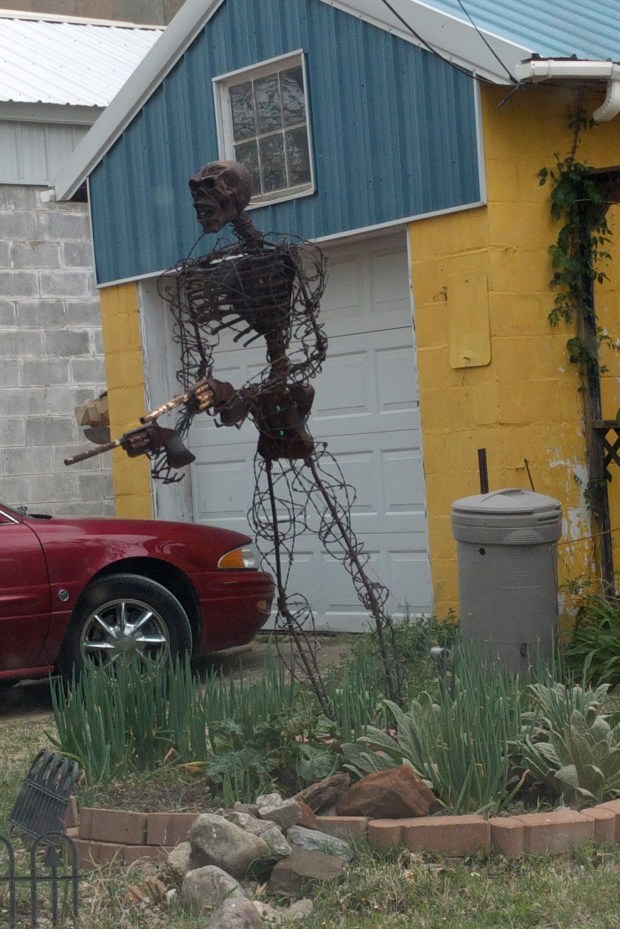
Terminator in somebody’s yard. Photo by David Reed

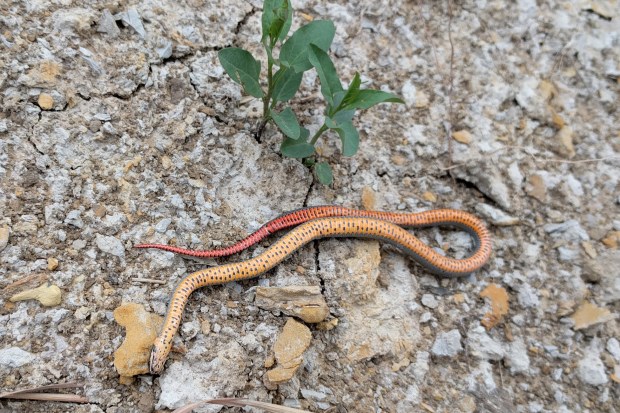
Ring snake colorful belly

The bottom of a ring snake. The top is plain brown. The snake was found dead. Photo by David Reed

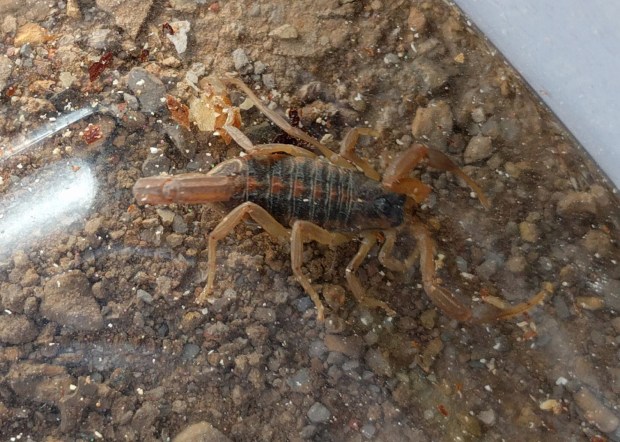
scorpion from Kansas

We found a live 2 inch long scorpion outside. Photo by David Reed

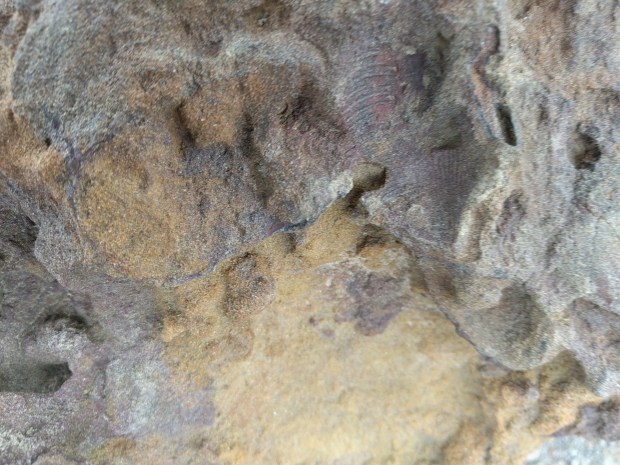
fossil in iron

A highly unusual fossil in iron. Photo by David Reed

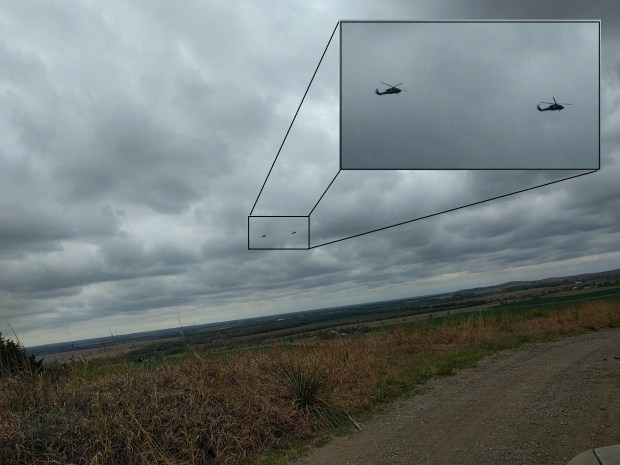
helicopters flying

There were helicopters outside. Stephanie has helpfully combined two photos to add the zoomed-in part. It was very fast. Photos by David Reed

IMG_20160416_152628

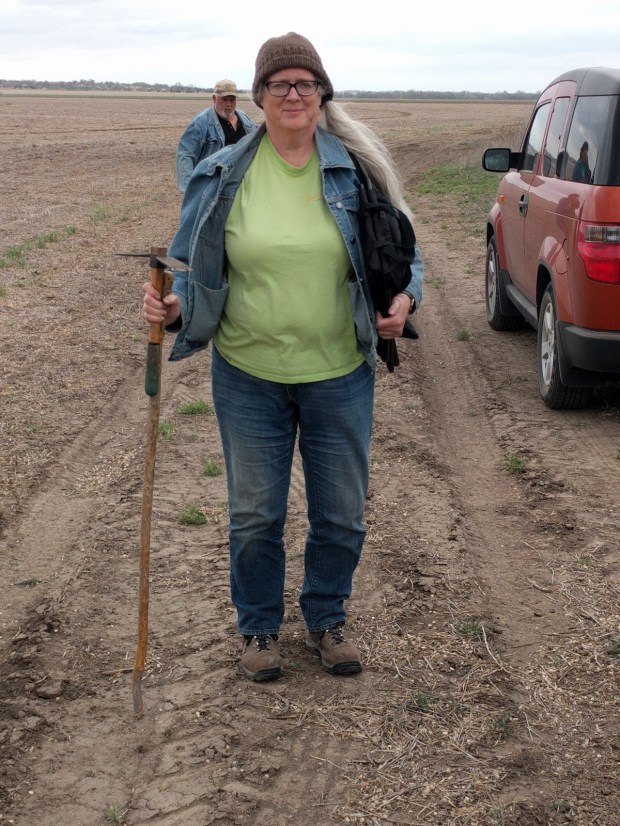
Connie being photogenic with her car. Photo by David Reed

cars on a road

Look at all the people who came on the trip. We had a great time. Photo by David Reed

Now With HTTPS

Good news! Showmerockhounds.com now uses HTTPS by default, so it will be better and more secure. As the EFF points out as part of their Encrypt the Web initiative, strong encryption protects our users in various ways, including defending against surveillance of content and communications, cookie theft, account hijacking, and other web security flaws. HTTPS sites also rank higher in Google search results. The best part is that you don’t have to do a thing. Just keep visiting showmerockhounds.com .

For more information, see here: https://en.blog.wordpress.com/2016/04/08/https-everywhere-encryption-for-all-wordpress-com-sites/

Association Scholarship Auction

The Association always has an auction at the Gem Show which raises money for scholarships for college students studying earth science-related fields. Find out more about the scholarship and apply here: http://kcgemshow.org/2015_Scholatship%20App.html

Everyone is welcome at the auction, but it is especially popular with club members because there are snacks. It took place at 7 pm on Saturday, March 12. Here are some of the things you missed.

A landscape agate with coyotes and a moon added in copper

A sculpture by the late David Wright, award-winning silversmith and jeweler. Made with Pitcher jasper. Photo by Stephanie Reed

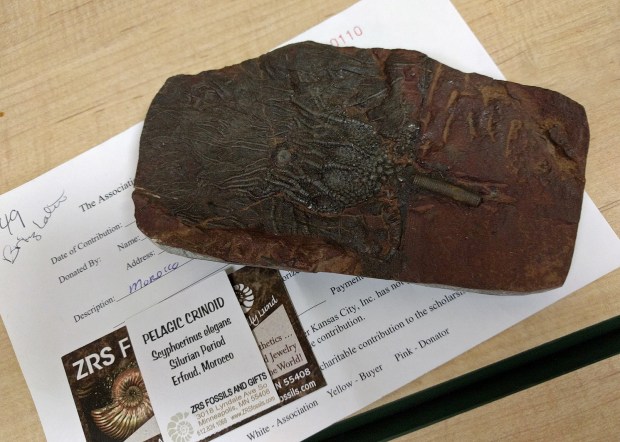
Crinoid fossil, about the size of a brick

A Pelagic crinoid from Morocco. Photo by David Reed

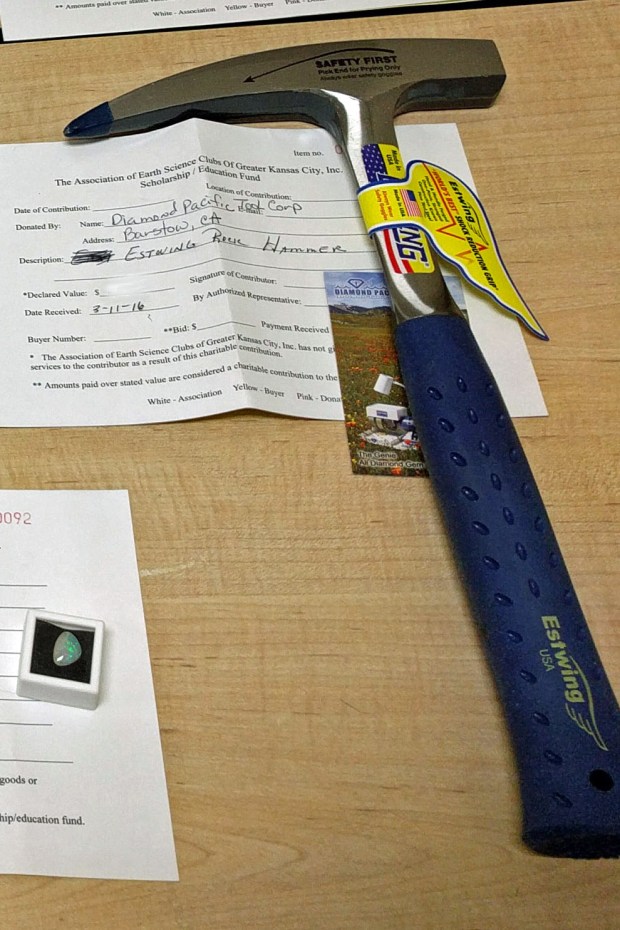
Estwing rock hammer next to polished opal

An Estwing rock hammer and a polished opal (sold separately, but they were close together on the table). Photo by David Reed

old historical map of Colorado

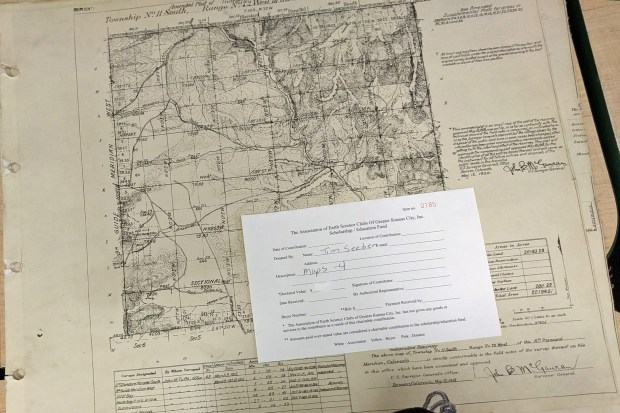
Vintage maps of Colorado from 1918. Photo by David Reed

Bonus: here are some more photos of club members at the show.

People buying and selling rocks

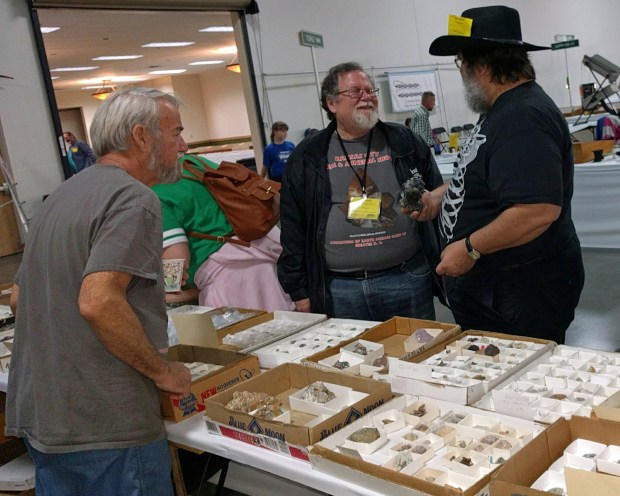
Club members Bob, Bruce, Martin, Molly, and Stephanie at the Association Booth. There were many more members present but this was as close as we could get to a group photo. Photo by David Reed

People buying and selling rocks

Bob, Bruce, and Martin at the booth looking at what there is for sale. Photo by David Reed

club members 3

Molly and Bruce, members of IGAMS. Photo by David Reed

Spring 2016 Show Photos

I took way too many photos at the show and most of them were interesting, making it difficult to write this post. Without further ado, here are the highlights from the Spring 2016 Gem and Mineral Show.

People buying and selling rocks

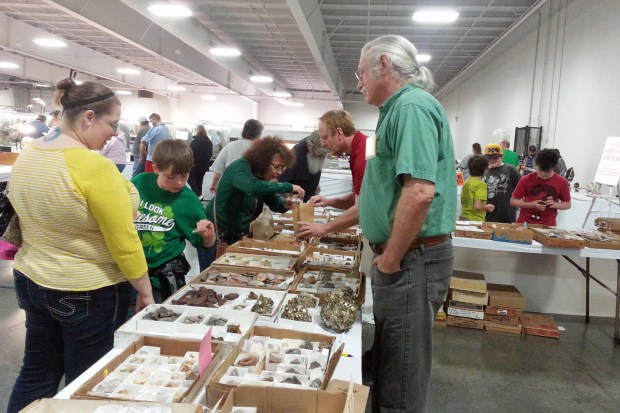
The Association Booth was staffed by club members from Show-Me Rockhounds, IGAMS, and more. Photo by Stephanie Reed

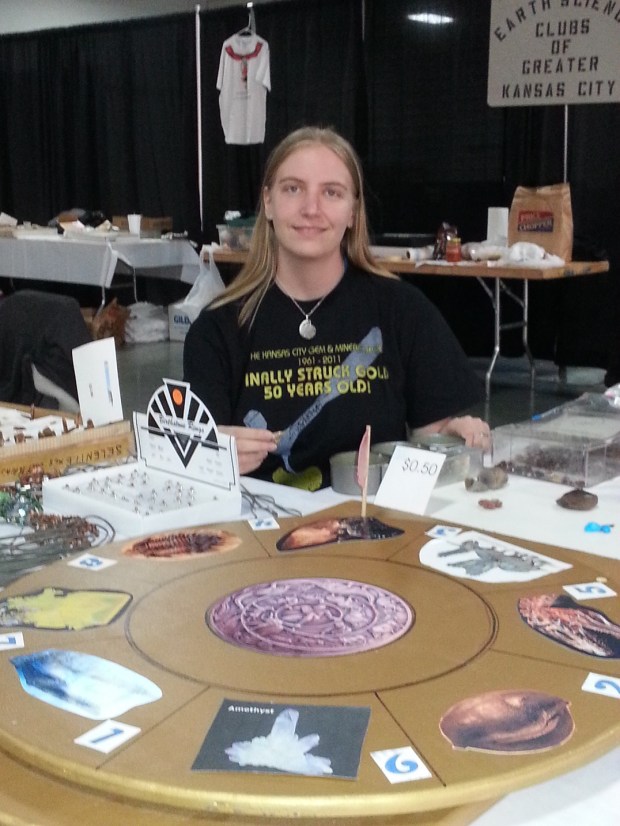
A smiling young woman sitting behind a large wooden spinner with eight sections. She is wearing an ammonite necklace and a shirt proclaiming that the Kansas City Gem and Mineral Show "finally struck gold" and is 50 years old.

The popular prize wheel returned again. It’s only 50 cents to spin and receive one of 8 different prizes. Everyone’s a winner! Photo by David Reed

Cracking geodes

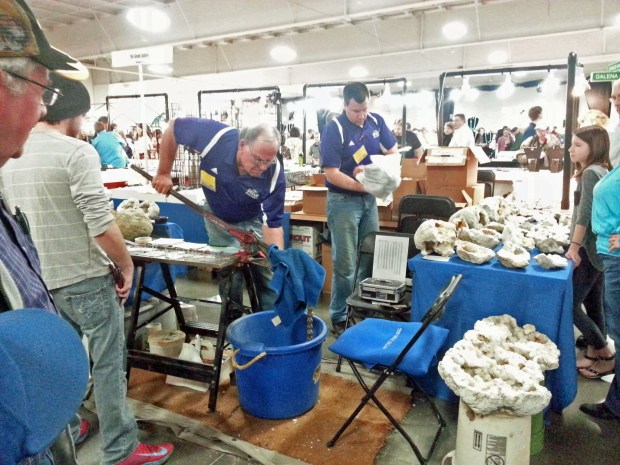
The Geode Gallery (Davenport, IA) cracked a lot of geodes. You can have a geode opened whether you buy it from them or bring your own. Photo by Stephanie Reed

Mr. Bones dinosaur walking around

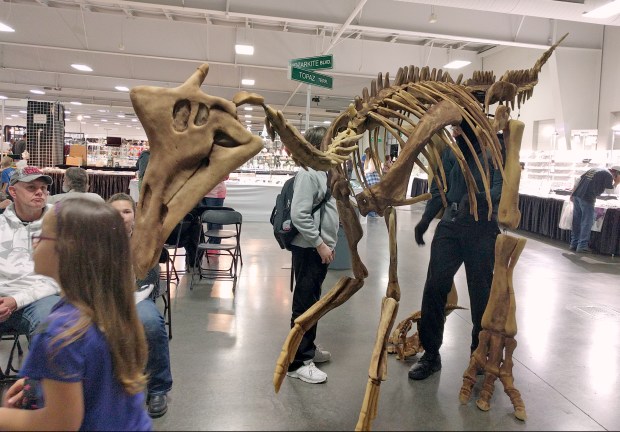
Look behind you, it’s a dinosaur attack! No, it’s Mr. Bones! From Louisville, CO, Mr. Bones has returned for more dinosaur fun. Photo by Stephanie Reed

Scientist mounting specimen museum science city dino lab

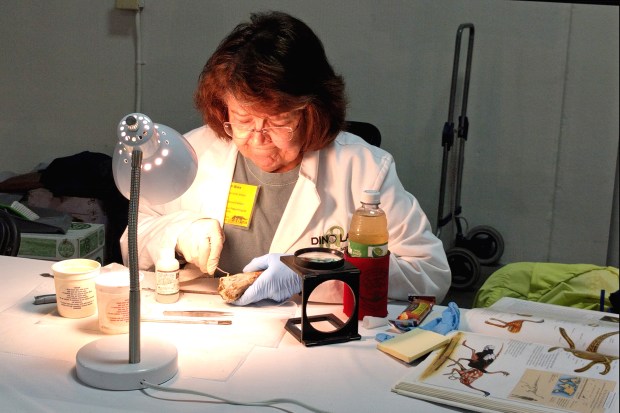
A representative from the Dino Lab in Science City at Union Station. She is cleaning a specimen to be mounted. Photo by Stephanie Reed

free rock mineral gem identification

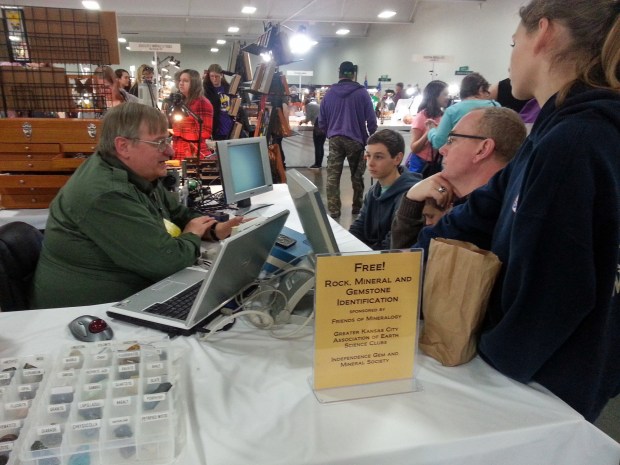
Mark Sherwood is helping these people identify something. It’s a free service from the Friends of Mineralogy, The Association, and IGAMS. Photo by Stephanie Reed

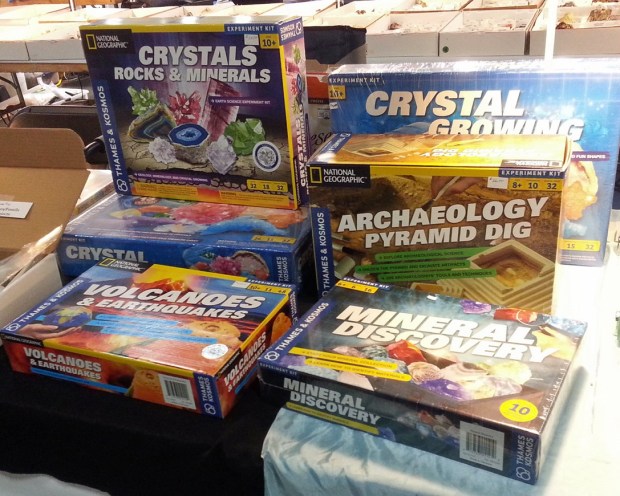
geology archaeology volcano crystal science kits toys

Science kits for kids (of all ages). Photo by Stephanie Reed

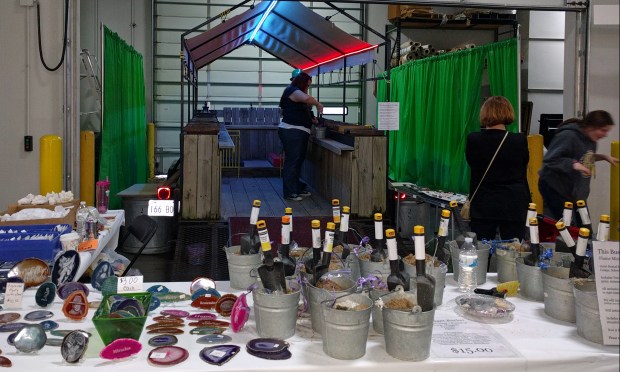
flume mining diy gems agate slabs

Ever wanted to try flume mining? Get a Nugget Bucket from McDe’s River Gems (Topeka, KS). Photo by Stephanie Reed

Case full of handmade silver jewelry

Each club in the Association can submit cases to show off things they have done, created, collected, etc. This case is from the Sterling Guild, a club for crafting with silver. Photo by Stephanie Reed

A display of fluorite octahedrons of many different colors and sizes.

Bruce Stinemetz’s fluorite octahedron collection. Photo by Stephanie Reed

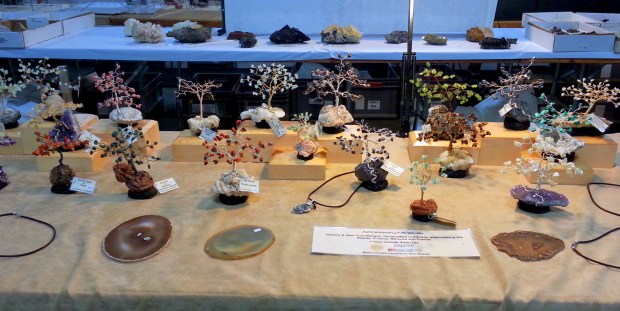
gem trees in many different colors

A stunning assortment of gem trees from Accessory Minerals (DeSoto, KS). Photo by Stephanie Reed

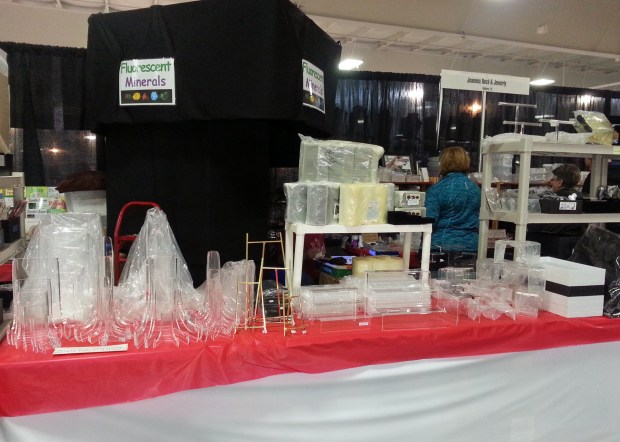
display cases and stands for sale

Jeanne’s Rock and Jewelry (Bellaire, TX) was selling stands and cases for your specimens. Displaying is an important part of collecting, which is often overlooked. Photo by Stephanie Reed

Pyritized Ammonite

A small ammonite fossil with gold sparkles of pyrite

Photo by Stephanie Reed

Here is a pyritized ammonite (Cosmoceras spinosum) from the Jurassic period, found in Michaelov, Russia. The specimen was at the Sutton Museum. How do pyritized ammonites form? I asked the Internet and here is what I found:

Pyrite or “Fools Gold” is an iron sulphide that occasionally – under unique geochemical conditions – covers or replaces prehistoric creatures and plants, transforming them into incredible fossils with a gold-like lustre.

Pyritized fossils tell us a lot about the past environments of our planet. Research indicates that prehistoric animals that become pyritized, such as trilobites and ammonites, were rapidly buried under ocean sediments that were low in organic matter. In this case there would not be a lot of decaying material present. Another important condition was anaerobic seawater – the water was low in dissolved oxygen.

For the trilobites with soft body parts, rapid burial meant there was very little decay of the creature before the fossilization process began. One of the final conditions for pyritization to occur is to have large numbers of sulphate reducing bacteria (they live in oxygen deficient water) and a high concentration of reactive iron. The bacteria change the sulphates into sulphides which can then diffuse with the iron into the trilobite or other organisms forming our spectacular fossils.

Source: http://www.fossilrealm.com/pages/learn-about-pyritized-fossils