Chemical Composition of Gemstones

Here’s a neat infographic from Compound Interest (one of my favorite websites) that describes 16 different gemstones and why they have different colors. It also includes their chemical formulas and hardness on the Mohs scale.

Many gemstones would be colorless or a different color if not for the presence of small amounts of transition metals such as chromium or titanium. For example, you can see that aquamarine and emerald both have the same chemical formula Be3Al2(SiO3)6, but emeralds are green because of chromium ions replacing some of the aluminum ions and aquamarines are blue because of iron 2+ or 3+ ions replacing some of the aluminum ions. Click through to read the whole article, because there are many other ways that gems and minerals get their colors!

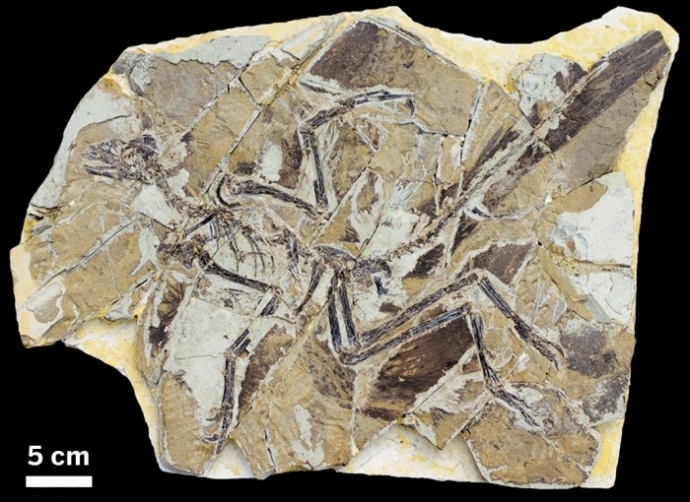
What color were the dinosaurs?

A dinosaur fossil of anchiomis huxleyi

Johan Lindgren/Sci. Rep.

In this article from Chemical & Engineering News, researchers use chemistry to find out what colors the dinosaurs were.

Researchers led by Johan Lindgren of Lund University, in Sweden, used a battery of analytical techniques to scrutinize the molecular makeup of a fossilized Anchiornis huxleyi specimen. This dinosaur is a distant relative of today’s birds, and its remnants were preserved for about 150 million years in what is now northeastern China.

The researchers’ thorough analyses have allowed them to conclude that some of the dinosaur’s melanin, or pigment molecules, and melanin-producing organelles have also survived the intervening epochs (Sci. Rep. 2015, DOI: 10.1038/srep13520).

Scientists have previously observed signs of similar biomaterials in fossils, but studies have lacked sufficient evidence to rule out the idea that these materials come from bacteria or other microbial intruders.

Using methods including infrared spectroscopy and time-of-flight secondary ion mass spectrometry, Lindgren and his colleagues have shown that the sample’s fossilized feathers contain substances that closely resemble modern animal—not bacterial—eumelanin, the pigments responsible for brown and black coloration.

Click here to read the whole article.

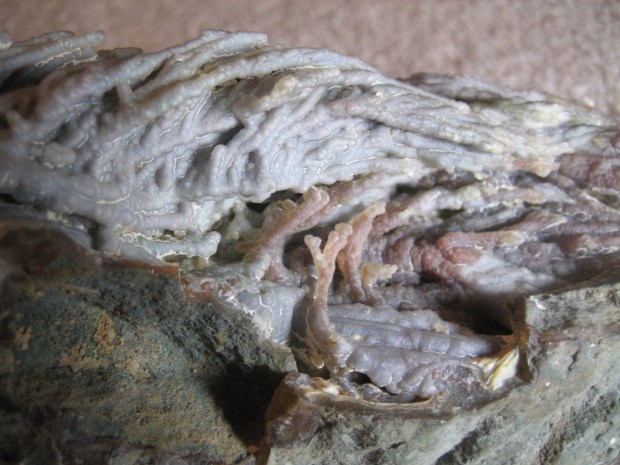
Angelwing Chalcedony

Article by special guest author David Reed

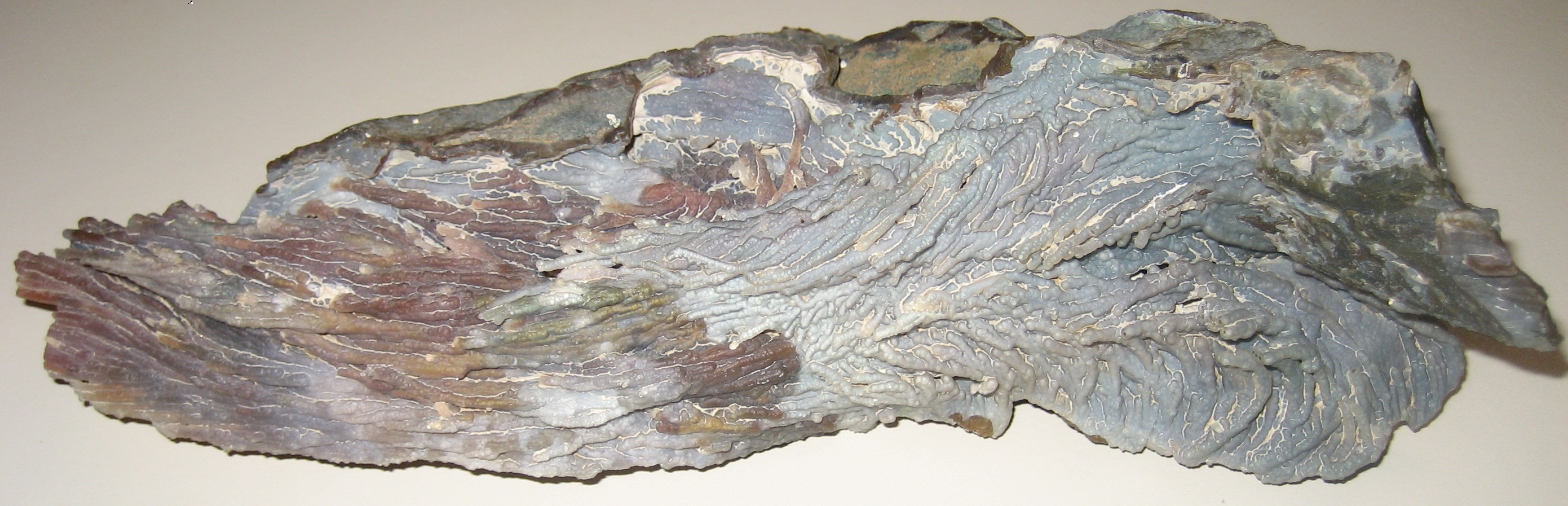
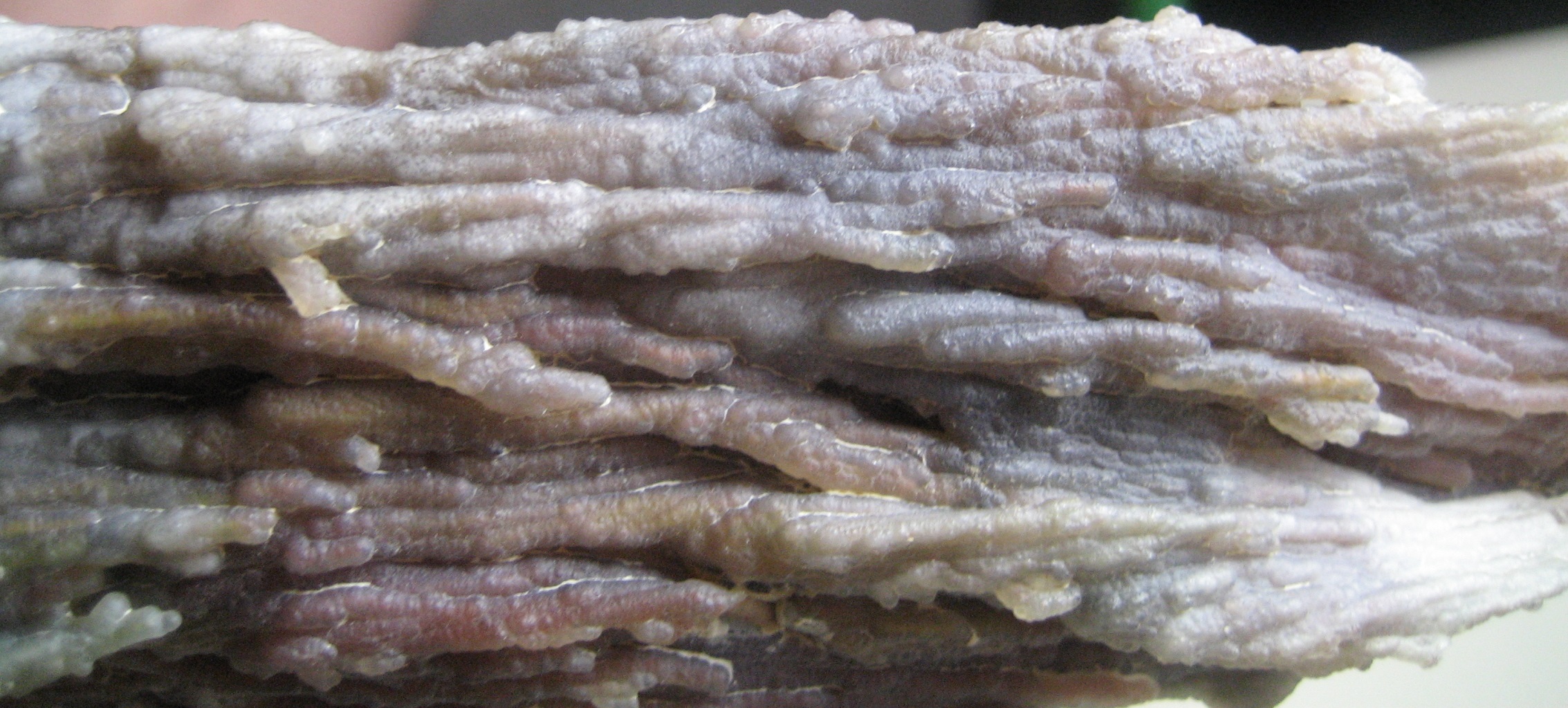
a long flowing wing-shaped rock appearing to be made of several small tubes, with red and blue colors.

From the collection of David Reed, photo by Stephanie Reed

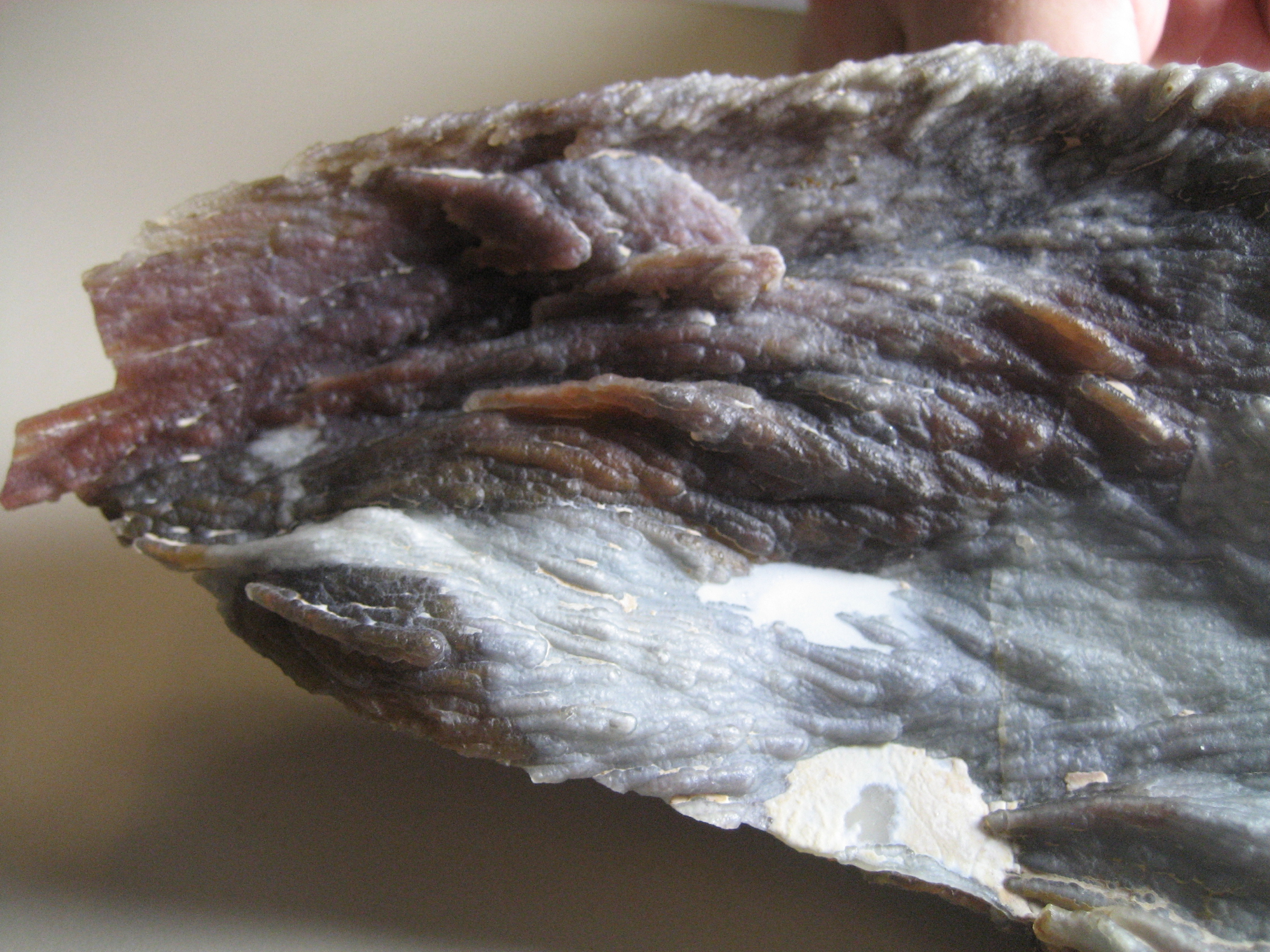
This refers to a surface chalcedony formation characterized by groups of chalcedony filaments often intricately woven or connected together, so they resemble the feathers of a wing or flowing hair. They occur most often in the center of a vug or vein of agate, but can also occur in the center of a hollow thunderegg. These formations are usually found in Idaho or Oregon. It describes this type of surface chalcedony formation, regardless of whether the underlying formation is plume agate, tube agate, or moss agate. See below for several close-ups, all from the same specimen.
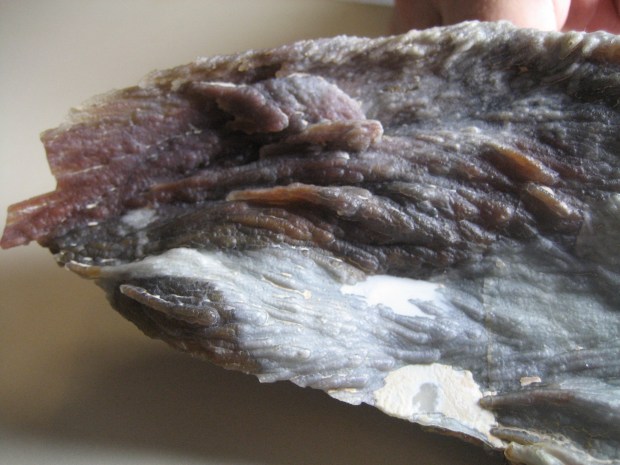
Close-up of red tube formations

Photo by Stephanie Reed

Close-up of blue and orange tubes

Photo by Stephanie Reed

Lots of chalcedony filaments all pointing the same way

Photo by Stephanie Reed

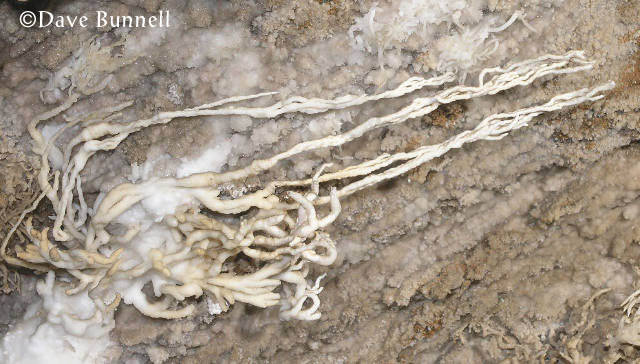
The tubes in Angelwing Chalcedony seem to follow the direction of flow of the silica-bearing fluid in air within the vug. They may form in similar fashion to the directional helictites (gypsum formations) in Lechugilla Cave (and elsewhere), or they may be directional helictites which were silicified.

Lechuguilla_Chandelier_Ballroom

Lechuguilla Chandelier Ballroom photo by Dave Bunnell

long squiggly white directional helictites

Directional Helictites Photo by Dave Bunnell

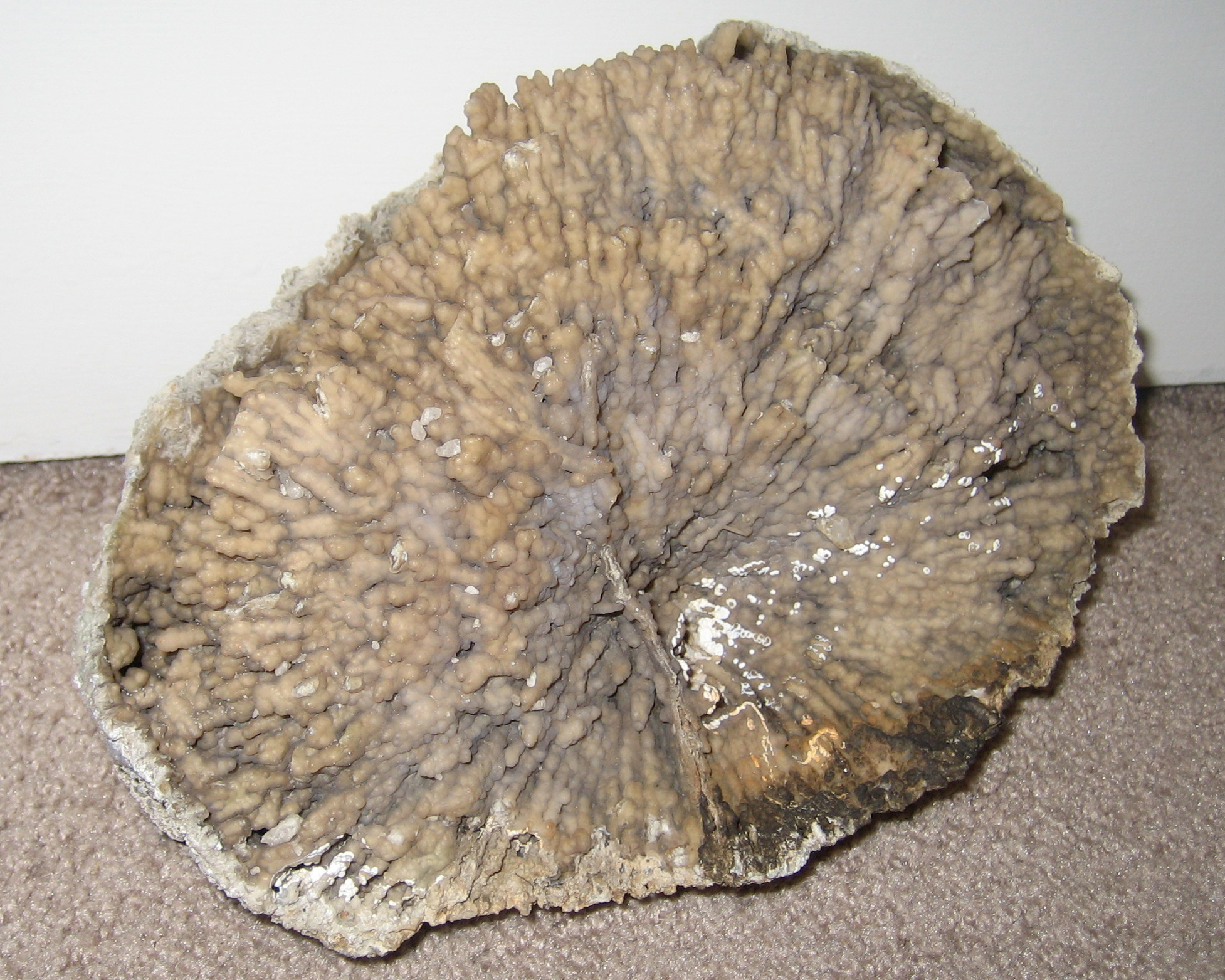
Although it looks similar, Angelwing Chalcedony is not the radiating tubes found in fossils of certain coral heads.  Angelwing Chalcedony was never alive, but the coral was. During mineralization, the form of the living coral was maintained, but the structure was changed from mostly calcite to mostly silica, and some of the voids were filled. The structure of the fossil is more regular; there was no irregular flow of fluid through a void, as there was with the Angelwing Chalcedony. The fossil specimen below was found eroding out of a Florida riverbed. It was purchased, to avoid diving with the alligators.

A round brown chunk of tiny tubes of coral with a white crust on the outside

From the collection of David Reed, photo by Stephanie Reed

Ironwood

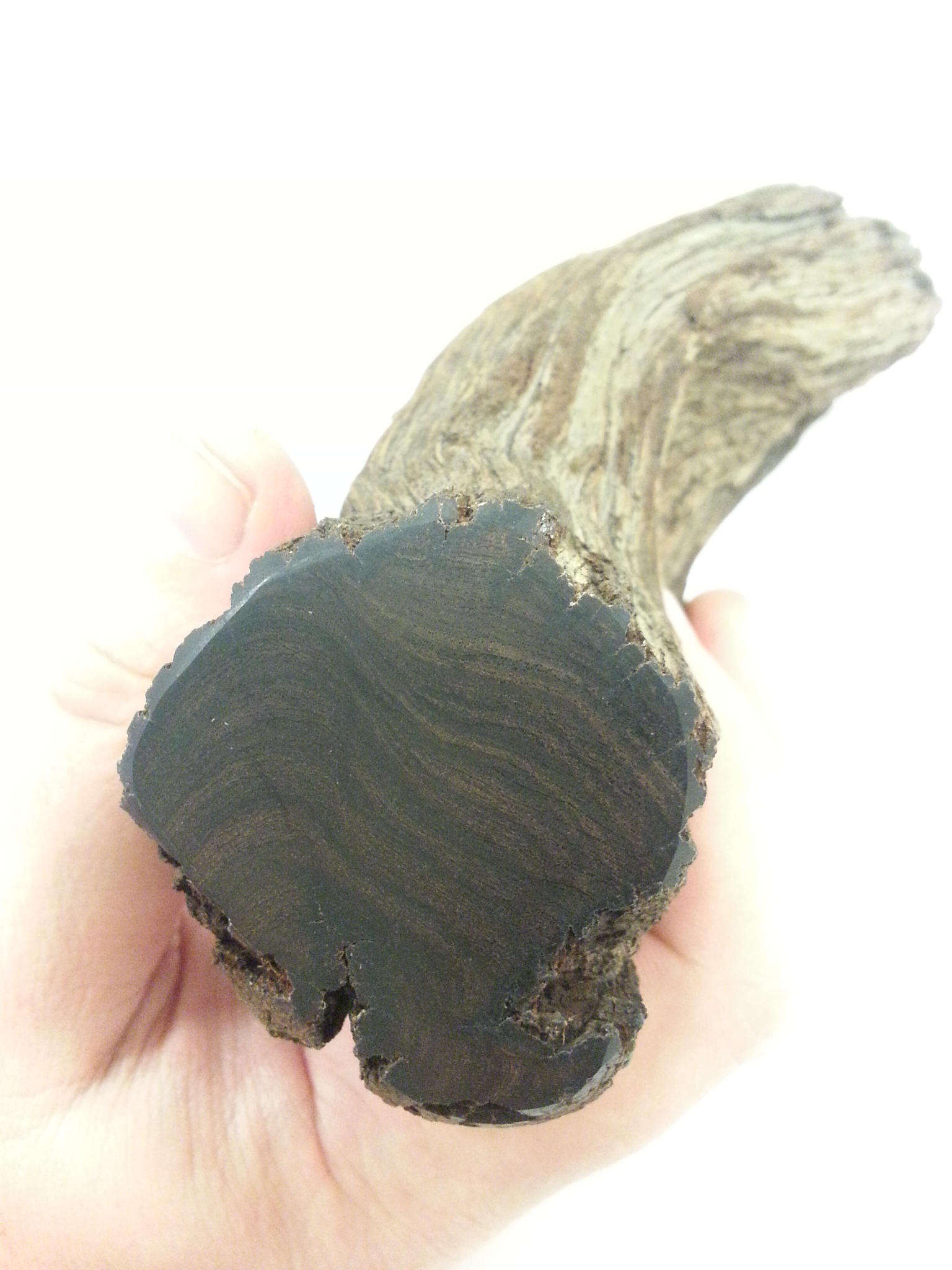
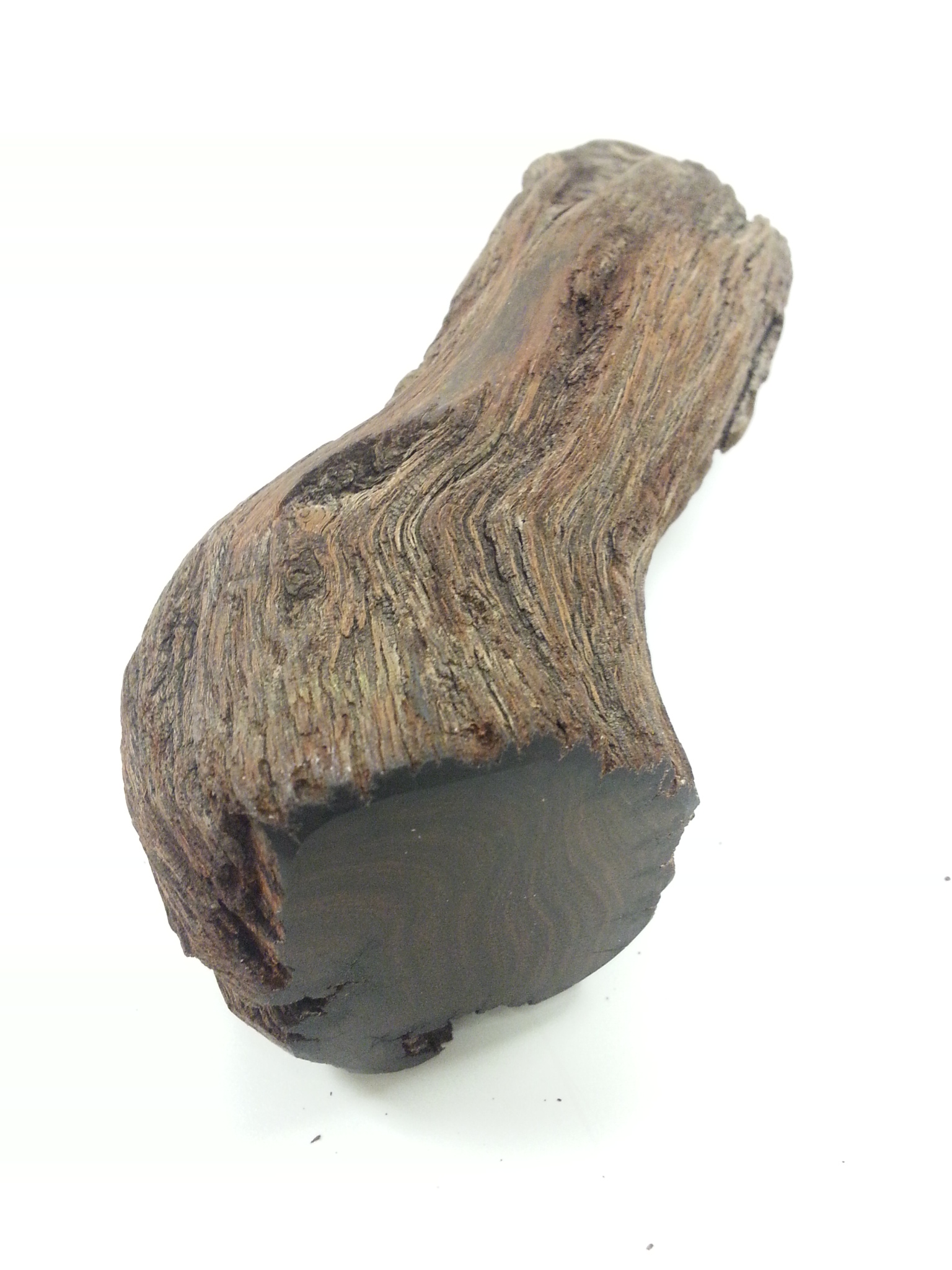
A piece of ironwood seen from below

At a previous meeting, Martin Mueller showed off this piece of ironwood. Ironwood is not a rock or mineral, and although it may look similar, ironwood is not petrified wood. It is a name for many different types of wood that are said to be hard. It has a nice wood grain texture at the polished bottom. Sadly, I have forgotten what kind of wood this is and where it came from (it wasn’t from Westeros!). Does anybody know?

A piece of ironwood seen from the side.

Association Picnic

The Association’s Summer Picnic will be Sunday, August 23 at Antioch Park, shelter #3. The rock swap begins at 8 am, lunch is at noon, and the scholarship auction is after lunch. This is a good chance to see people from every “facet” of mineralogy, including rocks, minerals, fossils, crystals, paleontology, gem cutting, flint knapping, and more. The Association will provide the hamburgers, hot dogs, and soda, and they ask that everybody bring a side dish, salad, or a dessert to share. Also, bring something for the rock swap and cash so you can buy things at the auction. The auction raises money for scholarships for college students majoring in geology, paleontology, or other rock-related areas.

Here are photos from last year’s picnic. https://plus.google.com/b/109214060991924897753/events/gallery/ct46l01qks94sg53lmqg78st21o

If you use Google+ you can RSVP to the picnic here: https://plus.google.com/b/109214060991924897753/events/c2lhou5h8lkt725kn0hlafeu92k

Big Al’s Big Rock Sale

Flyer for Big Al's Big Sale with list of tools for sale.

“Big Al” DeMaranville is having a rock and tool sale in Kansas City, Kansas so that he can move into a new home. On the first weekend, July 25-26 (8am-5pm), there will be rocks and lapidary/silversmithing equipment for sale. The second weekend, August 7-8 (8am-5pm), will have a house sale (and any tools that haven’t been sold yet).

The sale is now over. Thank you for your interest.

Canadian Rocks on Display

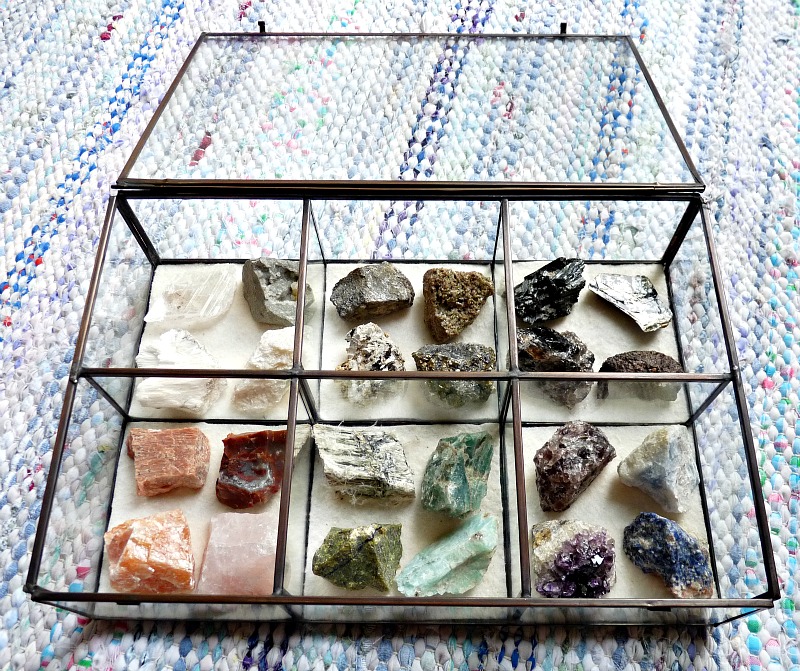
Tanya at Dans Le Lakehouse has a neat collection of minerals from Canada that she’s had since childhood. She wanted to enjoy her shiny pretty rocks, but they were stored in an opaque cardboard box. One day, she found this glass box that was the same size as the original box and lined it with felt. Then she arranged the specimens by color and hid the name and locality tags underneath the felt. I don’t know why she thinks this is nerdy. Now the rock collection sits on her husband’s desk, adding color to the room. Read her blog post for more details.

What a neat way to display a colorful set of minerals! I think the sodalite and the red jasper are the most eye-catching. Which mineral is your favorite?